Home Pricing About Us Contact

Best Raster Image Editing Software in 2026: Top 10 Picks

The Definitive Breakdown of Pixel-Based Editors That Actually Deliver Professional Results

Pixel-perfect imagery drives modern visual communication. Whether you sell sneakers on Shopify, retouch wedding portraits, or paint digital concept art, the software you choose decides how fast you work and how polished your results look. Raster image editors sit at the heart of this workflow because they manipulate every individual pixel, which is exactly what photographs and complex artwork demand.

This guide walks through the strongest raster editors available today, compares pricing against real-world capability, and helps you match a tool to your actual workload. You’ll also learn how to combine these editors with professional editing services for maximum efficiency, especially when product volume scales beyond what one person can handle.

Need flawless product images without spending hours in Photoshop? Our team delivers clean, conversion-ready edits within 24 hours, explore Photofixal’s professional image editing services and reclaim your weekends.

What Raster Image Editing Software Actually Does

Raster software treats every image as a grid of colored squares called pixels. Each pixel stores brightness, hue, and transparency data. When you brighten a shadow, smooth skin, or remove a stray cable from a product shot, you’re rewriting those pixel values directly.

This pixel-level control separates raster tools from vector software. Vector apps like Illustrator describe shapes with mathematical paths, which scale endlessly but cannot reproduce the soft tonal blends you see in a photograph. Raster editors capture that photographic richness, which is why they dominate photo retouching, e-commerce imagery, and digital painting.

Core Strengths of Raster Editors

  • Photographic realism through millions of color values per image
  • Layer-based compositing for non-destructive edits and easy revisions
  • Selection precision for masking hair, fur, and translucent fabrics
  • Wide format support including JPEG, PNG, TIFF, PSD, RAW, and WebP
  • Filter and effect stacks that mimic film grain, lens blur, or hand-painted textures

For a deeper academic breakdown of how raster graphics work, the University of Michigan Library’s image research guide offers a clear technical primer.

Raster vs. Vector: A Quick Reality Check

Designers often ask which format wins. The honest answer is neither, because both formats solve different problems.

Raster files shine when realism matters. A model’s skin, a cloudy sky, or a leather wallet all rely on subtle gradients that only pixels handle gracefully. The trade-off appears at large sizes: blow up a small JPEG and you’ll see jagged edges, a phenomenon called pixelation.

Vectors win for logos, icons, and typography because they scale from a business card to a billboard with zero quality loss. However, they struggle with photo-realistic detail. Most professionals run both formats side by side, picking the right tool for each task.

A reliable accuracy comparison between digital reference tools also matters when you edit portraits, since perception affects every retouching decision. The article on mirror vs. camera accuracy explains why your subject sees themselves differently than the camera does, which directly informs how aggressively you retouch facial features.

The Top Raster Image Editing Software in 2026

The lineup below reflects real pricing, current ownership changes (Apple bought Pixelmator, Canva bought Affinity), and the latest AI features that genuinely affect daily workflow. Each pick targets a specific user, so read the “best for” line carefully before you commit.

1. Adobe Photoshop — The Industry Benchmark

Photoshop remains the editor most agencies, photographers, and retouchers default to, and the reason is simple: nothing else matches its depth. Generative Fill paints in missing pixels using AI, the Remove Tool erases distractions in two clicks, and the new Generative Expand stretches a tight crop into a wider composition without losing realism. Adobe’s official Photoshop page lists every current feature in detail.

Strengths:

  • Best-in-class selection, masking, and frequency-separation retouching tools
  • Generative AI built directly into the canvas
  • Cloud sync across desktop, web, iPad, and mobile
  • The largest plugin ecosystem on the market

Weaknesses:

  • Subscription pricing starts around $22.99/month for the single app and climbs higher with AI credits
  • Steep learning curve that intimidates first-time users
  • Performance dips on machines with under 16GB of RAM

Best for: Professional retouchers, e-commerce studios, and creative agencies that bill clients hourly.

2. Affinity Photo — Now Free, Still Powerful

Canva acquired Serif’s Affinity suite and recently relaunched it as a single, completely free application. That single decision reshaped the raster software market. According to Canva’s official Affinity announcement, the company plans to keep Affinity free permanently, funded by its broader Canva ecosystem.

Strengths:

  • Genuinely free with no watermarks, no export limits, and no forced subscriptions
  • Non-destructive live filters and unlimited layers
  • PSD compatibility for teams switching away from Photoshop
  • Hardware-accelerated GPU performance

Weaknesses:

  • Some advanced AI features sit behind Canva Premium
  • Smaller plugin library than Photoshop
  • Occasional UI quirks compared to the polished Adobe interface

Best for: Freelancers, small studios, and budget-conscious photographers who want professional features without monthly fees.

Switching software but drowning in product photo backlog? Try Photofixal’s multi clipping path service and let our specialists handle complex selections while you focus on shooting.

3. GIMP — The Veteran Open-Source Workhorse

GIMP has powered free photo editing for over two decades. The 3.0 release introduced non-destructive editing, native CMYK support, and a refreshed interface that finally feels modern. Power users extend it with Python scripts, G’MIC filters, and community plugins.

Strengths:

  • Completely free under the GNU General Public License
  • Cross-platform across Windows, macOS, and Linux
  • High bit-depth (32-bit) editing for color-critical work
  • Massive script and plugin community

Weaknesses:

  • Default interface still feels dated to first-time users
  • AI features lag behind commercial tools
  • Some workflows require third-party plugins to match Photoshop parity

Best for: Linux users, students, and developers who value open-source software and customization over polish.

4. Krita — A Painter’s Dream That Doubles as a Photo Editor

Krita started as a digital painting tool, but its brush engine, animation timeline, and color management now satisfy serious raster work too. The brush stabilizer smooths shaky tablet strokes, the wrap-around mode generates seamless textures, and the frame-by-frame timeline produces broadcast-quality 2D animation.

Strengths:

  • Over a hundred professionally tuned brush presets
  • Free, open-source, and updated frequently
  • Built-in animation workflow with onion skinning
  • Strong color management and HDR support

Weaknesses:

  • Photo retouching feels less direct than in Photoshop or Affinity
  • RAW handling requires external converters
  • Smaller community for photo-specific tutorials

Best for: Illustrators, concept artists, comic creators, and 2D animators.

5. Pixelmator Pro — Now an Apple Product

Apple completed its acquisition of Pixelmator in early 2025, and the app now sits inside Apple’s ecosystem. The integration unlocks tighter Metal performance, native Apple Silicon optimization, and Machine Learning features like Super Resolution and ML Denoise that genuinely save time on portrait work. MacRumors confirmed the acquisition and noted that Pixelmator Pro continues to ship as a standalone Mac application.

Strengths:

  • Sleek Mac-native interface with full Apple Silicon acceleration
  • One-time purchase rather than a subscription
  • ML-driven upscaling, denoising, and background removal
  • Apple Pencil and trackpad gestures feel responsive

Weaknesses:

  • Mac-only, with no Windows or Linux version planned
  • Future direction depends on Apple’s product roadmap
  • Plugin ecosystem is small compared to Photoshop’s

Best for: Mac users, photographers in the Apple ecosystem, and anyone allergic to subscriptions.

6. Corel Painter — Where Brushes Meet Bytes

Corel Painter targets digital painters who miss the texture of oil, watercolor, and pastels. Its 900-plus brushes simulate real media so convincingly that traditional artists transition smoothly. The Real Watercolor and Real Wet Oils engines react to canvas texture, pressure, and tilt with believable physics.

Strengths:

  • Unmatched brush realism and tactile feel
  • Strong perspective guides and color mixing palettes
  • Robust performance on large canvases

Weaknesses:

  • High one-time price (around $429) or ongoing subscription
  • Photo-editing tools feel secondary to painting features
  • Heavy resource usage on older hardware

Best for: Concept artists, illustrators, and traditional painters moving into digital work.

7. Paint.NET — The Lightweight Windows Favorite

Paint.NET delivers fast, friendly raster editing for Windows users who don’t need Photoshop’s depth. It opens instantly, supports layers, and accepts a healthy library of plugins. The interface feels familiar to anyone who grew up on Microsoft Paint, but it offers far more capability.

Strengths:

  • Free for personal use with a small Microsoft Store fee for convenience
  • Tiny system footprint and instant launch
  • Active plugin community covering effects, filters, and file formats

Weaknesses:

  • Windows-exclusive
  • Lacks advanced retouching tools like frequency separation
  • Text and selection tools feel basic

Best for: Hobbyists, students, and anyone making quick edits on a modest PC.

8. Pixlr — Browser-Based Editing Anywhere

Pixlr lives entirely in the browser, which makes it perfect for editing on borrowed computers, Chromebooks, or tablets. The free tier handles cropping, color adjustment, and AI-powered cutouts, while Pixlr Plus adds layers, advanced filters, and unlimited saves. Many marketing teams keep Pixlr open as a quick-edit fallback.

Strengths:

  • No installation required
  • Fast AI cutouts and background removal
  • Works on Chromebooks, iPads, and Android tablets

Weaknesses:

  • Requires a stable internet connection
  • Premium features sit behind a $7.99/month paywall
  • Less precise than desktop alternatives for fine retouching

Best for: Casual users, social media managers, and anyone editing on the go.

9. Capture One — The Photographer’s Color King

Capture One isn’t a full-blown compositing tool, but its raster engine handles color grading, tethered shooting, and RAW development better than almost any competitor. Fashion photographers, automotive shooters, and product studios rely on it for consistent skin tones and precise color matching across large catalogs.

Strengths:

  • Industry-leading color science
  • Exceptional tethered capture for studio shoots
  • Powerful catalog and session management

Weaknesses:

  • Higher learning curve than Lightroom
  • Limited compositing and retouching features
  • Premium pricing

Best for: Studio photographers, commercial shooters, and color-critical workflows.

10. Photopea — The Free Photoshop Clone in Your Browser

Photopea mimics Photoshop’s interface so closely that PSD files open natively, layer styles render correctly, and most keyboard shortcuts carry over. The entire app runs in a browser tab, supported by ads or a $5/month ad-free upgrade.

Strengths:

  • Free, browser-based, and PSD-compatible
  • Surprisingly deep feature set for a web tool
  • No installation, no account required

Weaknesses:

  • Performance depends on browser and hardware
  • Lacks advanced AI and generative tools
  • Ads in the free tier

Best for: Students, occasional editors, and anyone who needs Photoshop’s interface without the price tag.

Color casts ruining your product catalog? Get pixel-accurate color correction with Photofixal’s color change service and ship every variant in true-to-life shades.

Quick Comparison Table

SoftwarePlatformPricing (2026)Best StrengthIdeal User
Adobe PhotoshopWin, Mac, iPad, Web$22.99/mo+Generative AI, pluginsPro retouchers
Affinity PhotoWin, Mac, iPadFree (Canva-owned)Pro features, no subscriptionFreelancers
GIMPWin, Mac, LinuxFreeOpen-source flexibilityDevelopers, Linux users
KritaWin, Mac, LinuxFreePainting & animationIllustrators
Pixelmator ProMac only$49.99 onceApple Silicon performanceMac photographers
Corel PainterWin, Mac~$429 onceRealistic brushesConcept artists
Paint.NETWindowsFreeLightweight speedHobbyists
PixlrWebFree / $7.99/moBrowser convenienceCasual editors
Capture OneWin, MacSubscription/BuyColor scienceStudio photographers
PhotopeaWebFree / $5/moPSD compatibilityStudents

How to Choose the Right Raster Editor

The “best” software depends entirely on your workflow, not on benchmarks or popularity. Walk through the questions below before you commit money or learning time.

Match the Tool to Your Workload

  • Heavy retouching daily? Photoshop or Affinity Photo earn their keep through speed and depth.
  • Painting or illustration? Krita or Corel Painter feel built for your hand.
  • Tight budget? Affinity Photo, GIMP, and Photopea cover most professional needs at zero cost.
  • Mac purist? Pixelmator Pro respects the platform like no other tool.
  • Editing on the move? Pixlr or Photopea load in any browser.

Check Your Hardware Honestly

Photoshop and Capture One demand modern processors, plenty of RAM, and ideally a discrete GPU. GIMP, Krita, and Paint.NET run comfortably on older machines. Test trial versions before you spend money so you know your hardware can keep up.

Consider the Learning Curve

A free tool you never master costs more time than a paid tool you actually use daily. YouTube tutorials, official documentation, and community forums all factor into how quickly you reach professional output.

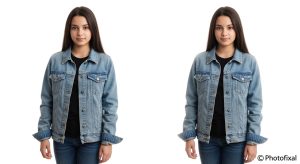
Hair selections, transparent fabrics, or jewelry chains slowing you down? Outsource intricate cutouts to Photofixal’s image masking team and ship complex composites in record time.

Emerging Trends Shaping Raster Editing in 2026

The raster software landscape shifts faster than ever, driven mostly by generative AI and platform consolidation. A few trends deserve attention because they will affect which tool you pick next year.

  • Generative fill and expand now appear in Photoshop, Affinity (via Canva), Pixlr, and Photopea, automating tasks that used to take an hour
  • On-device machine learning runs natively on Apple Silicon and modern NVIDIA GPUs, removing the cloud round-trip
  • Browser-based editing with WebGPU acceleration narrows the gap between desktop and web
  • Subscription fatigue pushes more creators toward one-time purchases or free alternatives like Affinity and GIMP
  • AI ethics and provenance features (Content Credentials) help photographers prove authenticity in an era of deepfakes

PCMag’s annual photo editing software roundup tracks these shifts in detail and is worth bookmarking for yearly comparisons.

Integrating Raster Editors into a Real Workflow

Software alone never produces great images. The workflow around it matters just as much. A typical e-commerce or photography pipeline looks like this:

  1. Shoot or source images in RAW or high-resolution JPEG
  2. Cull and rate in Lightroom, Capture One, or Bridge
  3. Develop globally for color, exposure, and lens correction
  4. Send to a raster editor for retouching, compositing, and clean-up
  5. Export optimized files for web, print, or marketplace specs
  6. Archive layered masters in PSD or AFPHOTO format

Bottlenecks usually appear at step 4. A photographer can shoot 500 product images in an afternoon, but retouching all of them takes days. That’s where outsourcing pays for itself, especially for repetitive tasks like background removal, ghost mannequin work, and shadow creation.

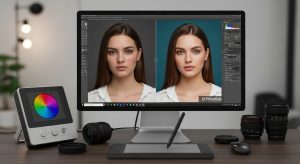
Looking polished in every shot starts with skin that breathes naturally. Discover Photofixal’s high-end beauty retouching for editorial-grade portraits without the plastic look.

Real-World Use Cases by Industry

Different industries lean on raster editors in different ways. Understanding these patterns helps you benchmark your own workflow.

  • E-commerce: Background removal, ghost mannequin effects, drop shadows, and color correction across thousands of SKUs
  • Real estate: Sky replacements, lens distortion fixes, twilight conversions, and HDR blending
  • Wedding and portrait: Skin retouching, color grading, dodge-and-burn, and album design
  • Advertising: Compositing, generative expand, and high-end product cleanup
  • Concept art and illustration: Custom brushes, painted textures, and animation frames
  • Fashion and beauty: Frequency separation, fabric cleanup, and headshot retouching

Hiring season is here, give every candidate a confident, professional first impression with Photofixal’s headshot retouching service tailored for LinkedIn, websites, and press kits.

Common Mistakes to Avoid When Picking Raster Software

A surprising number of creators waste money on the wrong tool. Avoid the mistakes below and you’ll save both cash and frustration.

  • Buying Photoshop “just in case” when Affinity or GIMP would handle 95% of your work
  • Ignoring file compatibility and getting locked into proprietary formats
  • Skipping the trial period and discovering performance issues after purchase
  • Underestimating hardware needs, especially RAM and GPU memory
  • Chasing AI hype instead of mastering the fundamentals of layers, masks, and selections
  • Doing everything in-house when outsourcing repetitive edits would free your time for higher-value work

Final Thoughts: Pick the Tool That Fits Your Hands

The best raster image editing software is the one that disappears while you work. Photoshop earns its place when AI features and plugin depth justify the subscription. Affinity Photo’s free relaunch makes it the smartest choice for most freelancers. GIMP and Krita carry the open-source torch with no compromises on quality. Pixelmator Pro rewards Mac users with native performance, while Paint.NET, Pixlr, and Photopea cover lightweight needs.

Pair the right software with disciplined workflow habits and selective outsourcing, and you’ll ship better images in less time. Software is a multiplier, not a magic wand, so invest in skills, hardware, and partnerships alongside the app itself.

Ready to scale your image production without burning out? Partner with Photofixal’s clipping path experts for crisp cutouts, fast turnaround, and pricing built for high-volume catalogs.

Frequently Asked Questions

1. What is the difference between raster and vector image editing software?
Raster software edits pixel-based images like photographs, while vector software manipulates mathematical paths used for logos and icons. Raster tools handle realism best, vector tools handle scalability best.

2. Which raster editor is the best free alternative to Photoshop in 2026?
Affinity Photo is now the strongest free alternative thanks to Canva’s decision to make it permanently free. GIMP and Photopea also remain excellent zero-cost choices.

3. Do I need a powerful computer to run raster image editing software?
Photoshop, Capture One, and Corel Painter prefer 16GB+ of RAM and a dedicated GPU. GIMP, Krita, Paint.NET, and Photopea run smoothly on modest hardware.

4. Can raster editors handle RAW files from my camera?
Photoshop, Affinity Photo, Capture One, and Pixelmator Pro all process RAW files natively. GIMP and Krita require an external RAW converter like darktable or RawTherapee.

5. Is Photoshop still worth the subscription in 2026?
For high-volume professional retouchers, agencies, and creators who use generative AI daily, yes. For occasional users, Affinity Photo or Photopea cover most needs without monthly fees.

6. Which raster software is best for digital painting and illustration?
Krita and Corel Painter dominate this category. Krita is free with strong animation tools, while Corel Painter offers unmatched traditional-media brush realism.

7. Can I edit raster images on a tablet or phone?
Yes. Photoshop runs on iPad, Affinity Photo offers a tablet version, and Pixlr works in any mobile browser. Touch editing has matured significantly over the past two years.

8. Should I edit my product photos in-house or outsource them?
In-house editing makes sense for low volume and creative direction. For high-volume e-commerce catalogs, outsourcing background removal, masking, and shadow work to specialists usually saves both time and money.

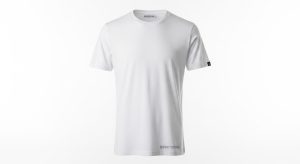
Apparel brands need consistency across every listing, achieve invisible mannequin perfection with Photofixal’s ghost mannequin service and turn flat product shots into showroom-quality visuals.