Home Pricing About Us Contact

Find the Safest, Smartest, and Most Affordable Photo Cloud Services This Year

Photographers in 2026 face a different challenge than they did even three years ago. Camera sensors now produce 60-megapixel RAW files as standard, smartphones shoot ProRAW and 8K video, and a single wedding shoot can balloon past 200GB before editing even begins. Storing all of that on a laptop SSD or a single external drive is no longer just inconvenient — it’s risky.

Cloud storage has stepped into that gap. The right service protects your library against drive failures, ransomware, theft, and accidental deletion, while also letting you preview a 50MB RAW file from a phone on the other side of the world. The wrong service quietly compresses your images, locks you into expensive renewal cycles, or worst of all, scans your private photos for advertising data.

I tested fourteen of the most-talked-about platforms this year — from mainstream giants to privacy-first newcomers — and ranked them based on real-world criteria photographers actually care about: RAW support, encryption strength, sync speed, sharing tools, and long-term value. Whether you shoot weddings, products, real estate, or family memories, this guide will help you pick the cloud service that fits your workflow without forcing you to overpay.

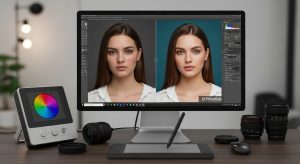
🎯 Ready to make those backed-up photos truly portfolio-ready? Let our professional photo retouching team polish every image so your gallery looks as flawless as the moment you captured it.


What Makes a Cloud Storage “Photographer-Grade” in 2026?

Before diving into the list, it helps to understand the criteria I used. Not every cloud platform is built for image-heavy workflows, and a service that’s perfect for spreadsheets may completely mishandle a 100GB Lightroom catalog.

Here’s what genuinely matters:

  • RAW and lossless support — the service must store original files without re-compressing them.
  • Strong encryption — ideally zero-knowledge or end-to-end encryption (E2EE).
  • Cross-device sync — desktop, web, iOS, Android, and ideally Linux.
  • Sharing flexibility — password-protected links, expiry dates, and download permissions.
  • Restore and version history — at least 30 days of file versioning.
  • Reasonable pricing per terabyte — including renewal costs, not just first-year promos.
  • Speed and reliability — fast multi-threaded uploads for big folders.

With those guardrails set, let’s break down each contender.


1. Google Photos — Best All-Round Pick for Casual Shooters

Google Photos remains the easiest entry point into cloud-based image management. It auto-uploads from any phone, organizes by face and location, and lets you search “sunset in Paris 2024” and find the exact frame in seconds.

Why photographers like it:

  • 15GB of free storage shared across Gmail and Drive
  • AI-powered Magic Editor and Magic Eraser baked in
  • Seamless sharing via link, album, or partner account
  • Smooth integration with Pixel and Android devices

Drawbacks: Storage is shared with Gmail, so a spam-heavy inbox can eat into your photo allowance. Paid plans through Google One start at $1.99/month for 100GB and scale up to 30TB.

Best for: Hobbyists, families, and travelers who want zero-effort backup.


2. Apple iCloud+ — Best for Apple Ecosystem Users

If your workflow runs on iPhone, iPad, and Mac, iCloud+ is hard to beat. The Photos app syncs effortlessly across every device, and Apple’s privacy-focused features like Hide My Email and Private Relay come bundled in.

Highlights for 2026:

  • 50GB starts at just $0.99/month
  • 2TB tier sits at $9.99/month
  • New 6TB ($29.99) and 12TB ($59.99) plans for video pros
  • Optional Advanced Data Protection enables full end-to-end encryption

iCloud handles HEIC, ProRAW, and Live Photos natively without quality loss, which is a huge win for iPhone photographers. The downside? Browsing on Windows or Android still feels clunky compared to the native Apple experience.

Best for: iPhone users and Apple-first creative professionals.


3. Adobe Creative Cloud — Best for Editing-Centric Workflows

Adobe’s Photography Plan now bundles Lightroom, Photoshop, and 1TB of cloud storage for around $19.99/month. What separates it from generic storage is the editing-cloud loop: edits sync instantly between desktop and mobile, and you can pick up retouching on an iPad exactly where you left off on your iMac.

Standout features:

  • Smart previews keep mobile editing fast even on slow connections
  • Adobe Firefly generative AI tools included
  • Direct publishing to portfolio sites and Behance
  • RAW support across every Adobe app

✂️ Need flawless cutouts to match your edited photos? Try our multi clipping path service for product, fashion, and e-commerce shots that demand pixel-perfect precision.

Best for: Working photographers who already pay for Lightroom and Photoshop.


4. Amazon Photos — Best for Prime Members

Prime members get one of the best-kept perks in cloud storage: unlimited full-resolution photo backup, including RAW files, at no extra cost. Videos are capped at 5GB, but for stills, the value is unmatched.

Why it earns a spot:

  • Free unlimited photo storage with Prime ($14.99/month membership)
  • Family Vault lets up to five members share storage
  • Auto-tagging by people, places, and objects
  • Display photos directly on Echo Show and Fire TV

The interface won’t win design awards, but for sheer cost-per-terabyte, Amazon Photos is hard to beat if you already pay for Prime.

Best for: Prime subscribers wanting unlimited RAW backup.


5. Microsoft OneDrive — Best for Microsoft 365 Subscribers

OneDrive shines when bundled with Microsoft 365. For roughly $9.99/month, you get 1TB of storage plus the full Office suite, which is hard to argue with on price alone.

What works well:

  • Personal Vault for sensitive images with extra encryption
  • Solid Windows integration, including auto-backup of Pictures folder
  • AI-powered photo tagging and search
  • 5GB free tier for newcomers

The catch: it’s optimized for documents first, photos second. There’s no dedicated face-recognition album system on par with Google Photos.

Best for: Office 365 users who want storage and productivity in one bill.


6. Dropbox — Best for Client Sharing and Collaboration

Dropbox built its name on rock-solid sync, and that legacy still holds. Photographers love it for delivering galleries to clients, sending proof sheets to retouchers, and collaborating with second shooters.

Why it stays popular:

  • 30-day file recovery on the standard plan, 180 days on Plus
  • Shared folders with granular permissions
  • Replay tool for video review and feedback
  • 2TB Plus plan at around $9.99/month

It’s not the cheapest per terabyte, and the free tier is a stingy 2GB, but reliability and ease of sharing are worth a premium for many pros.

Best for: Studios, retouchers, and photographers handling client deliveries.


7. pCloud — Best Lifetime Plan Value

pCloud has carved out a loyal following thanks to one feature most rivals refuse to offer: lifetime plans. Pay once, and you own the storage forever — no recurring fees haunting you a decade later.

Key strengths in 2026:

  • 10GB free with referral bonuses
  • 2TB lifetime plan around $399 one-time
  • Optional pCloud Crypto adds zero-knowledge encryption
  • Built-in media player streams videos directly from the cloud

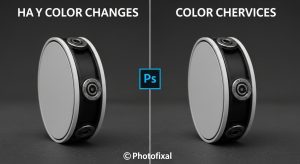
🎨 Want your stored product shots to pop in every marketplace? Use our color change service to create unlimited variants without re-shooting a single frame.

Best for: Long-term archivists tired of monthly renewals.


8. Sync.com — Best for Privacy-Conscious Photographers

Sync.com applies zero-knowledge end-to-end encryption to every file by default — not as a paid add-on. Even Sync’s own staff can’t see your photos, which matters enormously for boudoir, journalism, and confidential commercial work.

Privacy wins:

  • HIPAA, GDPR, and PIPEDA compliant
  • AES-256 encryption with TLS in transit
  • Canadian jurisdiction (outside the US Patriot Act reach)
  • 5GB free, 2TB plan at $8/month billed annually

The trade-off is fewer flashy AI features. If you want auto-tagged albums and facial recognition, look elsewhere — but if confidentiality is your priority, Sync.com is best in class.

Best for: Photographers handling sensitive or NDA-protected work.


9. IDrive — Best for Multi-Device Backup

IDrive isn’t strictly “photo cloud” software; it’s full-system backup that happens to handle photos brilliantly. One account covers unlimited devices — laptops, desktops, external drives, even network drives — under a single subscription.

Why I keep recommending it:

  • 5TB plan around $99.50 for the first year
  • IDrive Express ships you a physical drive for fast restore
  • Snapshot feature recovers from ransomware
  • Continuous backup catches files the moment they change

Best for: Photographers with multiple machines and large legacy archives.

👤 Backed up your portrait sessions and ready to deliver? Our headshot retouching service refines skin, eyes, and hair so every face looks naturally polished.


10. Backblaze — Best Set-and-Forget Backup

Backblaze takes the “install once, forget forever” approach. After a 15-minute setup, it continuously backs up your entire computer in the background. For photographers who hate fiddling with backup software, that simplicity is gold.

Why it works:

  • Unlimited storage per computer for $9/month
  • AES-256 encryption with optional private key
  • Hard drive restore option (refundable when returned)
  • B2 Cloud Storage tier for raw S3-compatible workflows

The catch: each computer needs its own license, and external drives must stay connected at least every 30 days to keep backups fresh.

Best for: Single-computer photographers who want no-thought protection.


11. SmugMug — Best for Portfolio + Selling Prints

SmugMug doubles as a cloud library and a portfolio site. Upload originals, build a customized gallery, set print pricing, and SmugMug handles fulfillment through its print partners.

Highlights:

  • Unlimited storage at full resolution on every paid plan
  • Lab-quality print sales with revenue share
  • Custom domain and design templates
  • Strong watermarking and right-click protection

Plans start at $13/month, which is steep for casual users but a steal if you’re actively selling prints.

Best for: Wedding, portrait, and fine-art photographers monetizing their work.


12. Flickr — Best Community-Driven Platform

Flickr is enjoying a quiet renaissance under SmugMug’s ownership. Pro membership at $8.25/month gives you unlimited storage, ad-free browsing, advanced stats, and access to one of the oldest photography communities on the web.

What stands out:

  • Massive Creative Commons ecosystem
  • Powerful EXIF-based search and filters
  • Camera roll auto-uploader
  • Group critiques and contests for skill-building

If your goal is exposure as much as backup, Flickr Pro earns its keep.

Best for: Enthusiasts who want feedback alongside storage.


13. Internxt — Best Privacy-First European Option

Spain-based Internxt has rapidly climbed photographer recommendation lists in 2026. Built on post-quantum encryption and open-source code, it’s auditable in a way most US-based services aren’t.

Why it earns the spot:

  • 10GB free forever, no credit card required
  • 200GB plan at $5.49/month, 2TB at $11.99/month
  • Decentralized file sharding across global nodes
  • GDPR-bound by Spanish jurisdiction

It’s still maturing in features (no facial recognition, limited collaboration tools), but as a secure cloud vault, it’s excellent.

Best for: Privacy advocates and European-based photographers.


14. Mylio Photos — Best Hybrid Local + Cloud System

Mylio takes a unique stance: your photos live on your devices, with optional cloud sync as a safety net rather than a primary location. This drastically reduces ongoing costs while still giving you cross-device access.

Why it’s different:

  • True peer-to-peer sync between your devices
  • Offline-first, so you never lose access on a flight
  • Smart deduplication across drives
  • Plans start at $99/year for unlimited local libraries

If you’ve ever felt nervous handing over your entire archive to a single cloud provider, Mylio Photos offers a middle path.

Best for: Photographers who want cloud convenience without total cloud dependence.

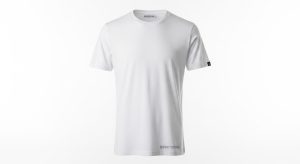
👻 Selling apparel online? Our ghost mannequin service gives clothing the clean, three-dimensional look that converts marketplace browsers into buyers.


Quick Comparison: Which Cloud Storage Fits Your Style?

  • Beginners and families: Google Photos or Apple iCloud+
  • Working pros editing daily: Adobe Creative Cloud or Dropbox
  • Privacy-focused shooters: Sync.com or Internxt
  • Bulk archivists: Backblaze, IDrive, or pCloud lifetime
  • Sellers and portfolio builders: SmugMug or Flickr Pro
  • Hybrid local-and-cloud fans: Mylio Photos

How to Choose the Right Photo Cloud Storage in 2026

Picking the “best” service depends entirely on your shooting volume, editing pipeline, and privacy needs. Run through these questions before subscribing:

  • How many GB do I shoot per month? Multiply by 12 to size your annual storage.
  • Do I edit on multiple devices? If yes, prioritize sync speed and Lightroom/iCloud-style integrations.
  • Do I deliver to clients? Look for branded sharing, password protection, and download caps.
  • Am I handling sensitive material? Zero-knowledge encryption isn’t optional.
  • What’s my exit plan? Choose services that allow bulk export (no proprietary lock-in).

A good rule of thumb: pay for storage you’ll need in 18 months, not what you need today. Migration is painful, and the cheapest plan often becomes expensive when you outgrow it.

🖼️ While you’re organizing your archive, give it a professional finish. Our image masking experts handle hair, fur, and complex edges so every backup-worthy shot is also gallery-worthy.


Common Mistakes Photographers Make with Cloud Backup

Even seasoned shooters fall into these traps. Avoiding them will save you both money and heartbreak.

  • Relying on one cloud only. Follow the 3-2-1 rule: three copies, two media types, one offsite.
  • Trusting auto-compression. Some services silently downscale RAW files unless you toggle “original quality.”
  • Ignoring renewal pricing. First-year discounts often double on renewal — read the fine print.
  • Skipping encryption keys. If you lose a zero-knowledge password, your files are permanently gone.
  • Forgetting to test restores. A backup that hasn’t been tested isn’t a backup; it’s hope.

For deeper guidance on backup strategy, the Library of Congress digital preservation guide is a free, authoritative resource that’s worth bookmarking.


Frequently Asked Questions

1. What is the best free cloud storage for photos in 2026?

Google Photos (15GB), Internxt (10GB), and pCloud (10GB after referrals) lead the free tier. If you own an iPhone, the bundled 5GB iCloud allowance is a useful starting point too.

2. Will cloud services compress my RAW files?

Most premium services (Adobe, iCloud, pCloud, Sync.com, Backblaze) preserve RAW files at full resolution. Free tiers of Google Photos historically applied light compression — always verify the “Original Quality” setting before uploading.

3. Is cloud storage safe for confidential client photos?

Yes, if you choose a zero-knowledge service like Sync.com or Internxt, or enable Apple’s Advanced Data Protection. Standard services can technically scan files for compliance, so encryption is non-negotiable for NDA work.

4. How much cloud storage do professional photographers actually need?

Wedding and event pros typically need 2–5TB per year. Real estate and product shooters average 500GB–1TB annually. RAW video work can demand 10TB+ — plan accordingly.

5. Cloud storage vs. external hard drives — which is better?

Use both. External drives are fast and cheap per terabyte, but they fail. Cloud storage is slower and pricier but survives fires, floods, and theft. The smart move is mirroring local drives with a cloud backup.

6. Can I switch cloud storage providers without losing photos?

Most services allow bulk export, but moving terabytes takes days. Tools like rclone or MultCloud streamline migration. Always download a verified backup before canceling the old subscription.

7. What’s the cheapest cloud storage per terabyte in 2026?

pCloud’s lifetime plans win long-term math (roughly $20/TB/year amortized over 10 years). For monthly billing, Backblaze ($9/month unlimited per computer) and IDrive ($99.50/year for 5TB) lead value rankings.

8. Do I need cloud storage if I already use an external SSD?

Yes. SSDs can fail without warning, and theft or fire can wipe both your laptop and external in one event. A cloud copy is the only way to guarantee your archive survives a worst-case scenario.


Final Thoughts: Your Photos Deserve a Future-Proof Home

Cloud storage in 2026 isn’t a single-winner category — it’s a layered strategy. Pair a primary service for daily editing (Adobe, iCloud, or Google Photos) with a deep-archive solution (Backblaze, IDrive, or pCloud lifetime), and add a privacy vault (Sync.com or Internxt) for sensitive shoots. That triple-layer approach costs less than $30/month for most photographers and protects decades of work.

The right cloud platform turns storage from a worry into infrastructure you barely think about — which is exactly how it should feel. Pick the service that matches your workflow, automate your uploads, and get back to what matters: making more pictures worth saving.

✨ Now that your photos are safely stored, let’s make them shine. Reach out to PhotoFixal’s expert editing team for retouching, masking, and background removal that turns good shots into stunning portfolios.

Photofixal

We are a premier image post-production company specializing in professional shadow creation and product image editing services by expert human editors. Trusted by e-commerce businesses, product brands, and photographers worldwide.

Services

Company

Contact

info@photofixal.com
+880 1714 420630
Dhaka, Bangladesh

© 2026 Photofixal. All rights reserved.

Privacy Policy | Terms of Service |