Home Pricing About Us Contact

Black and White Photography: When to Use It and Why

Black and white photography never really went out of style. It simply waited for photographers to rediscover its emotional weight. While color cameras dominate every smartphone and DSLR today, monochrome imagery still pulls viewers in with a quiet, magnetic power that saturated photos sometimes cannot match.

If you have ever stared at a sunset, snapped the shutter, and felt underwhelmed by the result, the answer might not be a new lens or a bigger sensor. The answer might be removing color altogether. Stripping away hues forces the eye to read light, shadow, texture, and form, which is exactly where great photography lives.

This guide walks you through when black and white photography works, when it fails, and how to make the decision with confidence every time you raise your camera.

💡 Want your black and white portraits to look gallery-ready without spending hours in Photoshop? Explore our professional photo retouching services and let our editors polish your monochrome work to publication standard.

Why Black and White Photography Still Matters in a Color-Obsessed World

Color photography mimics reality. Black and white photography interprets it. That single difference explains why monochrome images still hang in galleries, sell at auctions, and stop scrollers mid-swipe on social feeds.

When a photographer chooses to remove color, the viewer’s brain stops cataloging “blue sky” or “red dress” and starts feeling the image instead. Researchers have long noted that grayscale visuals trigger stronger emotional responses because they reduce cognitive load and amplify contrast, shape, and human expression.

Black and white photography earns its place when it:

  • Removes distracting or unflattering colors from a busy scene
  • Adds a timeless, vintage, or cinematic quality
  • Emphasizes texture, geometry, and tonal contrast
  • Strengthens the emotional message of a portrait or street shot
  • Unifies a series of images shot under mixed lighting conditions

Pioneers like Ansel Adams, Henri Cartier-Bresson, and Dorothea Lange built entire legacies on grayscale frames. Their work still teaches us that less color often means more meaning.

The Three Best Times to Shoot in Black and White

Choosing monochrome should never be a default or a rescue tactic for a weak photo. Treat the decision as a creative choice tied to three specific situations.

1. When Colors Distract from the Subject

Sometimes the world refuses to cooperate. A perfectly composed street scene gets ruined by a neon billboard glowing in the corner. A thoughtful portrait loses its impact because the subject’s shirt clashes with the wall behind them. In moments like these, color works against you.

Converting to black and white removes the visual noise and redirects attention to what actually matters: the subject’s eyes, the line of a building, the gesture of a hand. The viewer no longer fights the frame to find the story.

Common scenes where color hurts more than it helps:

  • Crowded urban environments with mismatched signage
  • Overcast landscapes where everything turns muddy beige
  • Portraits with unflattering skin tones from mixed lighting
  • Architectural shots with clashing paint or rust

2. When You Want to Shift the Mood

Color carries emotion whether you want it to or not. Warm yellows feel friendly. Cool blues feel lonely. Greens feel calm. But what if the mood baked into your scene fights the story you want to tell?

A bright sunny photograph of an empty playground might look cheerful in color, even though you intended to show abandonment. Black and white removes that emotional mismatch and lets you steer the viewer’s feelings toward melancholy, mystery, or quiet drama.

3. When You Want to Step Away from Literal Reality

We do not see the world in shades of gray, so a monochrome image instantly signals “this is art, not documentation.” That subtle departure from realism invites viewers to look longer and think harder.

Black and white photography also dodges the trap of looking dated. A color photo from 2008 often screams its decade because of camera processing trends and fashion. A well-crafted black and white image from the same year could pass for 1955 or 2055.

✂️ Need crisp, distraction-free product photos that convert browsers into buyers? Our multi-clipping path service isolates every element so you can swap backgrounds, apply monochrome treatments, or build catalog visuals in minutes.

When Black and White Is the Wrong Choice

Monochrome is a powerful tool, but it is not a universal one. Some photos depend on color the way a song depends on melody. Removing it leaves the image flat and lifeless.

Scenes That Need Color Contrast to Work

Look at a field of red poppies against a green hillside. The drama lives in the clash between two complementary colors. Strip the color away, and you get a mid-gray meadow with mid-gray flowers. The subject vanishes.

Color contrast often performs the same job that tonal contrast performs in black and white. When two colors of similar brightness sit next to each other, they pop in color but blend together in grayscale.

Subjects that almost always need color:

  • Autumn foliage and flower fields
  • Food photography
  • Fashion images where wardrobe color tells the story
  • Sunsets, sunrises, and northern lights
  • Travel images where culture is communicated through color

When Color Sets the Mood Perfectly

A deep blue twilight street, a fiery orange desert, a soft pink studio backdrop. These colors do not distract from the mood. They build it. Removing them would leave behind a competent photo without its emotional engine.

Before converting any image, ask one simple question: does the color help me say what I want to say? If yes, keep it.

When Clients or Commercial Needs Demand Color

Real estate listings, e-commerce product photos, food blogs, and corporate headshots almost always require accurate color. Buyers want to see the actual shade of the kitchen tile, the real color of the sweater, or the exact lipstick a brand is selling.

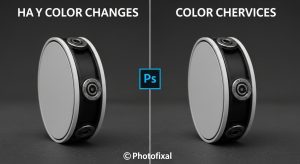
In these commercial scenarios, color accuracy beats artistic interpretation every single time. Professionals often rely on services like precise color correction and color change editing to keep tones true to life across batches of product photography.

Subjects That Shine in Black and White

Certain subjects almost always benefit from monochrome treatment. Knowing the categories speeds up your decision-making in the field.

Portraits with Emotional Weight

Faces communicate more clearly in black and white. Without skin tone variations and clothing colors pulling focus, the viewer reads expression, eye contact, and body language faster. Wrinkles become topography, scars become character, and tears become luminous.

Wedding photographers often deliver mixed sets where joy-filled candid moments stay in color while quiet, intimate frames shift to monochrome for that classic, documentary feel.

Street Photography

Street scenes overflow with visual chaos: traffic lights, advertisements, shop signs, parked cars in every imaginable shade. Black and white tames the chaos and gives photographers like Vivian Maier and Daido Moriyama their signature gritty intensity.

Street subjects that pop in monochrome:

  • Strong shadows cast by harsh midday sun
  • Reflections in puddles and shop windows
  • Silhouettes against bright skies
  • Crowds with strong directional movement
  • Textured walls, peeling posters, and graffiti

Architecture and Geometry

Buildings live and die by line, repetition, and shadow. Monochrome strips architecture down to its bones and reveals the geometry the architect intended. Brutalist concrete, gothic stonework, and modern glass towers all reward black and white treatment.

Landscapes with Dramatic Skies

Stormy clouds, snow-capped peaks, and rolling fog beg for the rich tonal range that black and white delivers. Ansel Adams built an entire career capturing the American West in monochrome because the grandeur lived in light, not hue. His Zone System remains the gold standard for previsualizing tonal placement.

Documentary and Photojournalism

Black and white still signals truth, gravity, and historical importance. Newsrooms used grayscale for decades, and modern audiences still associate it with serious reporting and timeless storytelling.

🖼️ Running an online store and tired of inconsistent product backdrops? Try our background removal service to deliver clean, uniform images that look professional whether you publish them in full color or convert them to monochrome.

How to Shoot Black and White the Right Way

Shooting with monochrome in mind changes how you compose, expose, and process every frame. Treat black and white as a discipline, not a filter applied at the end.

Always Shoot in RAW

Capture in RAW format and set your camera preview to monochrome. This gives you a grayscale display while keeping all the color data intact on the file. You can fine-tune the channel mix later in editing without losing flexibility.

A great camera helps too. If you are still choosing gear, this overview of the top 10 popular camera brands compares strengths across Canon, Nikon, Sony, Fujifilm, Leica, and more.

Look for Contrast, Not Color

Train your eye to see luminance instead of hue. Squint at your scene. If the brightest and darkest areas are clearly separated, the black and white version will likely sing. If everything looks middle-gray when you squint, the photo will probably feel flat.

Use Side Light to Reveal Texture

Soft front lighting flattens texture. Side lighting carves it. Early morning, late afternoon, and window light at oblique angles all create the micro-shadows that turn a wooden door, a wrinkled face, or a sandy dune into a tactile masterpiece.

Mind Your Composition

Without color to anchor the eye, composition does double duty. Strong shapes, leading lines, the rule of thirds, and negative space all carry extra weight in monochrome. Resources like Digital Photography School offer in-depth tutorials on monochrome composition.

Edit with Intention

A flat RAW conversion to grayscale rarely produces a finished photo. Push the contrast. Dodge and burn to guide the eye. Adjust individual color channels (yes, even after converting to black and white) to brighten skies or darken skin tones for the look you want.

A simple editing checklist:

  • Set the black point and white point first
  • Adjust the red and orange channels to control skin tones
  • Use the blue channel to darken or lighten skies
  • Add subtle grain for a film-like atmosphere
  • Refine local contrast with a dodge-and-burn pass

👤 Preparing headshots for LinkedIn, press, or a corporate website? Our professional headshot retouching service refines skin, sharpens eyes, and preserves natural texture, ideal for both color and monochrome portraits.

Common Mistakes to Avoid in Black and White Photography

Even seasoned photographers fall into a few predictable traps when working in monochrome. Watch out for these.

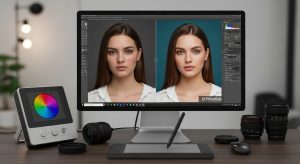
Black and white photo editing workspace

Treating Black and White as a Rescue Mission

Converting a weak color image to black and white rarely saves it. If the composition was poor in color, the monochrome version will be poor too. Black and white amplifies strengths. It does not invent them.

Crushing the Shadows or Blowing the Highlights

A high-contrast look feels punchy at first glance, but losing all detail in the darks and lights leaves the photo feeling brittle. Aim for a full tonal range with rich blacks, clean whites, and texture preserved everywhere in between.

Ignoring Skin Tones in Portraits

Default grayscale conversions often turn skin into chalky pale gray or muddy dark gray. Spend time on the red, orange, and yellow channel sliders to keep skin looking natural and dimensional.

Forgetting the Story

A black and white image still needs a subject and a story. The grayscale treatment cannot replace meaning. Always start with what you want to say, then decide if removing color helps you say it more clearly.

💄 Want flawless yet authentic beauty portraits that hold up in print, on screen, and in monochrome? Discover our high-end beauty retouching service crafted for editorial photographers and beauty brands.

How Post-Processing Elevates Black and White Photography

Modern editing software gives photographers far more control over monochrome conversion than the darkroom ever did. Tools like Adobe Lightroom, Capture One, and Silver Efex Pro let you simulate film stocks, fine-tune tonal placement, and create signature looks repeatable across an entire portfolio.

Still, software alone cannot replace a skilled retoucher’s eye for nuance. Detailed work like compositing, fine masking, and selective tonal control benefits from professional hands. For complex edits involving fine hair, fur, or translucent objects, advanced image masking preserves every wisp before you apply your monochrome treatment.

E-commerce photographers shooting apparel often combine monochrome lookbook images with clean product shots. Techniques like the ghost mannequin effect keep clothing photography crisp and three-dimensional, whether you publish the final image in vibrant color or moody grayscale.

Famous Black and White Photographers Worth Studying

famous black and white photography

Learning from masters shortens the path to your own style. Spend an afternoon browsing the work of these influential photographers:

  • Ansel Adams – Landscape master and pioneer of the Zone System
  • Henri Cartier-Bresson – Founder of street photography and the “decisive moment”
  • Dorothea Lange – Documentary photographer who shaped Depression-era America
  • Sebastião Salgado – Brazilian photojournalist with epic, painterly monochrome
  • Vivian Maier – Reclusive street photographer rediscovered after her death
  • Daido Moriyama – Japanese photographer known for grainy, high-contrast urban images
  • Sally Mann – American artist who blends portraiture, landscape, and large-format film

Studying their compositions, tonal choices, and subject matter sharpens your own black and white instincts.

Color or Black and White: A Quick Decision Framework

When you are stuck between the two, run through this short checklist.

Choose black and white when:

  • The colors distract or look unappealing
  • The mood you want differs from the mood the colors convey
  • Texture, shape, or contrast carries the image
  • You want a timeless or documentary feel
  • The lighting is harsh, flat, or mixed

Choose color when:

  • Color contrast creates the subject
  • The colors themselves are the story
  • A client or commercial use requires accuracy
  • The mood you want lives inside the existing palette
  • Realism matters more than interpretation

When both versions look good, trust your gut and revisit the choice later. Vision evolves, and a photo you printed in color today may feel right in monochrome a year from now.

Ready to deliver a polished, consistent portfolio across every product, portrait, or campaign? Browse the full range of photo editing services at PhotoFixal and partner with editors who understand both color and monochrome workflows.

Frequently Asked Questions

1. Should I shoot in black and white mode on my camera, or convert later?
Shoot RAW and set the camera’s preview to monochrome. This lets you visualize the scene in grayscale while preserving all the color data on file. You get the best of both worlds: an in-camera black and white feel plus full editing flexibility later.

2. What camera settings work best for black and white photography?
Use a low ISO when possible, expose to the right to retain highlight detail, and prioritize aperture for the depth of field you want. Manual or aperture-priority mode gives you the most consistent results.

3. Is black and white photography easier than color photography?
Not really. Removing color simplifies one dimension but raises the bar on composition, contrast, light, and storytelling. Beginners often find monochrome harder once they realize how much weight every other element carries.

4. What subjects look best in black and white?
Portraits with strong expressions, architectural details, street scenes, dramatic landscapes, documentary moments, and any subject driven by texture or geometry tend to thrive in grayscale.

5. Do I need a special camera for black and white photography?
No. Any modern digital camera can shoot beautiful monochrome images. Dedicated cameras like the Leica Monochrom exist for enthusiasts, but most photographers achieve outstanding results by converting RAW color files in post.

6. How do I avoid muddy or flat black and white photos?
Push contrast deliberately, adjust individual color channels during conversion, watch your tonal range, and use light that already has shape and direction. Avoid converting flat, overcast images without strong subject matter.

7. Is black and white photography still relevant for social media?
Absolutely. Monochrome images stand out in busy feeds because they break the visual pattern of saturated thumbnails. They also age well, which means your portfolio looks fresh years after posting.

8. Can I mix black and white and color images in the same series?
Yes, and many photographers do. Wedding albums, editorial shoots, and travel essays often weave the two together to control pacing and emotion. Just make sure each conversion serves a clear purpose.

Final Thoughts

Black and white photography rewards patience, intention, and a willingness to see the world differently. It strips away the easy beauty of color and asks you to find meaning in light, shape, and texture instead. When you make that choice deliberately, your photos gain weight, soul, and staying power.

The best advice is also the simplest: shoot more, edit thoughtfully, and study the masters who came before you. Your eye will sharpen, your decisions will get faster, and one day you will look at a scene and just know it belongs in black and white.

🚀 Take your photography from good to gallery-worthy. Discover how the editors at PhotoFixal can refine every detail of your work so your color and monochrome images both reach their full potential.