Home Pricing About Us Contact

Photography Lighting Setups Explained: Beginner’s Guide

Master the Art of Light and Transform Your Photos From Ordinary to Outstanding

Light shapes every photograph you take. Whether you shoot portraits in a cozy home studio, snap products for an online shop, or chase golden hour outdoors, the way light falls on your subject determines whether your image whispers or screams “professional.” Many beginners blame their gear when photos look flat, but in reality, lighting carries about 80% of the credit for any standout shot.

In this guide, you’ll learn the most popular photography lighting setups, the equipment that powers them, and the small adjustments that turn average frames into portfolio pieces. I’ll walk you through three-point lighting, classic portrait patterns like Rembrandt and butterfly, product lighting layouts, and natural light hacks that cost almost nothing. By the end, you’ll know exactly which setup suits your subject and how to adapt it for your space.

💡 Ready to make your photos look agency-level? Pair clean lighting with professional photo retouching services and watch even your everyday shots gain a polished editorial finish.


Why Lighting Matters More Than Your Camera

Photographers often obsess over megapixels and lenses, yet the most expensive camera body still produces dull images under bad light. Good lighting controls mood, depth, color accuracy, and the viewer’s emotional response. It also reduces editing time because a properly lit photo needs fewer corrections later.

Here’s what skilled lighting actually does for your image:

  • It separates your subject from the background and creates dimension.
  • It hides skin imperfections, dust, and product flaws naturally.
  • It steers the viewer’s eye toward what matters most in the frame.
  • It sets the tone, whether dramatic, romantic, clean, or moody.
  • It guarantees consistent results, especially for commercial work.

Once you understand the behavior of light, you’ll stop blaming your camera and start crafting images on purpose. According to a comprehensive lighting study by B&H Photo, photographers who learn one core lighting pattern improve their portrait keeper rate within just two weeks of practice.


The Two Main Types of Light You’ll Work With

Before we jump into setups, you need to understand the raw material. Photographers shape two broad categories of light, and each behaves differently.

Natural Light

The sun delivers natural light, and it constantly changes throughout the day. Soft morning light flatters skin, harsh midday sun creates strong shadows, and golden hour wraps everything in warm tones. Window light works as a free studio inside your home, especially on overcast days when clouds act as a giant diffuser.

Artificial Light

You generate artificial light using flashes, strobes, or continuous LED panels. Unlike sunlight, artificial sources give you complete control over direction, intensity, and color temperature. Studio photographers, product shooters, and event pros rely on artificial light because consistency drives commercial results.

Quick comparison:

  • Natural light: Free, unpredictable, great for lifestyle and outdoor portraits.
  • Continuous artificial light: Easy for beginners since “what you see is what you get.”
  • Flash and strobes: Powerful, freeze motion, ideal for studio and product work.

The Foundation: Three-Point Lighting Setup

Three-point lighting forms the backbone of nearly every studio shoot, film set, and YouTube interview you’ve ever watched. It uses three light sources working together to model the subject in a natural, dimensional way.

Key Light

The key light is your main light and the strongest source in the scene. Place it roughly 30 to 45 degrees off-axis from your subject’s face, slightly above eye level. This light defines the overall exposure and creates the primary shadows.

Fill Light

The fill light softens the shadows produced by the key light. Position it on the opposite side at a lower intensity, usually one or two stops dimmer. Many photographers use a white reflector instead of a second light, which saves money and still does the job beautifully.

Back Light (or Hair Light)

The back light sits behind the subject and aims at their head and shoulders. It separates the person from the background and adds that subtle glow around the hair that magazine portraits famously feature.

Quick setup checklist:

  • Start in a dark room so you can judge each light independently.
  • Turn on the key light first and lock your exposure.
  • Add the fill light and adjust the ratio to taste.
  • Finish with the back light and reduce its power if highlights blow out.

Selling products online? Combine three-point lighting with our precision clipping path service to get crisp, marketplace-ready cutouts that boost conversion rates.


Classic Portrait Lighting Patterns Every Beginner Should Know

Portrait photographers rely on five timeless lighting patterns. Each one creates a different mood and shapes the face in a distinctive way. Practice them with a single light and a reflector before investing in expensive multi-strobe kits.

1. Rembrandt Lighting

Named after the Dutch painter, Rembrandt lighting produces a small triangle of light on the cheek opposite the main light. Position your key light at roughly 45 degrees to the side and slightly above the subject. This setup adds drama and works wonderfully for moody, character-driven portraits.

2. Butterfly Lighting

Place the key light directly in front of the subject and slightly above the face. The shadow under the nose resembles a small butterfly, which gives the pattern its name. Fashion and beauty photographers love butterfly lighting because it slims the face and minimizes blemishes.

3. Loop Lighting

Move the key light about 30 to 45 degrees off-center to create a small “loop” shadow from the nose toward the cheek. Loop lighting flatters most face shapes, which makes it the go-to pattern for general portraits, headshots, and family sessions.

4. Split Lighting

Position the key light directly to the side of the subject at 90 degrees. Half the face stays lit while the other half falls into shadow. Split lighting carries serious drama and suits musicians, athletes, and strong character portraits.

5. Broad and Short Lighting

These two terms describe where the light falls relative to the face turned toward or away from the camera. Broad lighting illuminates the side closest to the camera and widens the face. Short lighting illuminates the side farther from the camera and slims it. Most portrait photographers prefer short lighting for a more sculpted look.

📸 Want flawless skin in every portrait? Discover our expert beauty retouching services to enhance complexion while keeping that natural, lifelike texture intact.


Essential Lighting Equipment for Beginners

You don’t need a five-figure budget to start. Smart photographers build a small, versatile kit and learn it inside out before expanding. The Strobist lighting blog has championed minimalist, off-camera flash setups for years and proves that creativity beats expensive gear.

Light Sources

  • Speedlight or hot-shoe flash: Portable, affordable, and powerful enough for most home setups.
  • Studio strobe: Higher output, faster recycle times, and better for full-day shoots.
  • Continuous LED panel: Ideal for video and beginners who prefer seeing the light in real time.

Light Modifiers

Modifiers shape the raw light into something flattering. Each one creates a different look.

  • Softbox: Produces soft, directional light with controllable spread.
  • Umbrella: Cheap, easy to set up, and great for broad, soft illumination.
  • Reflector: Bounces existing light into shadow areas, no batteries needed.
  • Beauty dish: Creates crisp, contrasty light with smooth highlights, beloved in fashion.
  • Snoot: Narrows the beam into a focused spotlight for dramatic accents.
  • Grid: Tightens the light spread and reduces spill onto the background.

Support Gear

  • Light stands (at least two, taller than six feet).
  • Wireless triggers and receivers for off-camera flash.
  • Sandbags to prevent stands from tipping over.
  • Backdrop and stand system for clean studio backgrounds.

Product Photography Lighting Setups

Product photography demands clean, even, and shadow-free lighting that highlights texture and color accurately. E-commerce shoppers can’t touch your products, so your lighting must do the persuading.

The Two-Light Tent Setup

A lightbox or tent diffuses light from both sides, eliminating harsh shadows. Place one light on each side at 45 degrees and adjust power until both sides match. This setup works perfectly for jewelry, cosmetics, and small accessories.

The Three-Light Product Setup

Use one key light at 45 degrees, one fill light on the opposite side, and one rim or back light for separation. Add a white card underneath the product to bounce light into the bottom shadows.

Tips for Reflective and Transparent Products

  • Use diffused light panels rather than bare bulbs to avoid hotspots.
  • Build a light tent with white poster board if you’re on a budget.
  • Add black flags on the sides to create defining edges on glass or chrome.
  • Shoot tethered so you can spot reflections instantly on a larger screen.

🛍️ Running an online store? Get marketplace-ready images with our crisp background removal service that makes products pop on any platform.


Lighting Setups for Apparel and Fashion Photography

Clothing photography sits between product and portrait work. The garment must look accurate, but the model (or mannequin) needs flattering light too.

Flat Lighting for Catalogs

Position two softboxes evenly on each side of the model at 45 degrees. This creates almost no shadow on the clothing, which suits catalog and e-commerce work where color accuracy reigns supreme.

Dramatic Editorial Lighting

Use a single key light through a large octabox to create one strong direction of light. Let the shadows fall naturally for a more cinematic, magazine-style image. Editorial work often breaks the rules on purpose to create mood.

Ghost Mannequin Photography

Photograph the garment on a mannequin first, then again as a flat lay or with the inner neck label visible. Post-production removes the mannequin and combines the images. The result looks like an invisible body is filling out the clothing.

👕 Selling clothing online? Try our specialized ghost mannequin service to create that hollow-body 3D effect that boutiques and big brands rely on.


Natural Light Techniques That Cost Nothing

You don’t need a studio to make stunning photos. Natural light, when handled smartly, rivals any expensive setup. Many wedding and lifestyle photographers shoot exclusively with available light.

Window Light Portraits

Position your subject perpendicular to a window for classic side lighting. The closer they stand to the window, the softer the light. Move them away for harder, more dramatic shadows. A white sheet or foam board on the opposite side fills the shadows beautifully.

Golden Hour Outdoor Shooting

The hour after sunrise and before sunset delivers warm, low-angle light that wraps around subjects. Place your subject with the sun behind them (backlighting) for a glowing rim, or to the side for textured, dimensional portraits.

Overcast Day Magic

Cloudy skies turn the entire sky into a giant softbox. Shadows soften, colors saturate, and skin tones look gorgeous. Many professionals secretly prefer overcast days for outdoor portraits.

Open Shade Technique

Move your subject into the shade of a building or large tree while keeping bright open sky behind your camera. The result mimics a north-facing window: soft, directional, and flattering. Read more about creative outdoor approaches in this outdoor lighting guide from Digital Photography School.


High-Key vs Low-Key Lighting

These two contrasting styles define the overall mood of your image.

High-Key Lighting

High-key lighting features bright tones, minimal shadows, and a light or white background. Beauty ads, baby photos, and corporate headshots often use this style because it feels clean, fresh, and approachable. Achieve it by using multiple lights at similar intensity and a separately lit background.

Low-Key Lighting

Low-key lighting uses one main light with deep, rich shadows and a dark background. The mood feels mysterious, dramatic, or intimate. Cinema, music portraits, and fine art photography frequently embrace this approach. A single key light, a black backdrop, and a flag to block stray light deliver perfect low-key results.

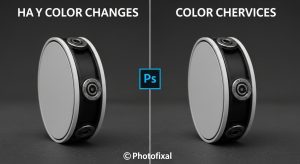
🌟 Need consistent color across a product line? Explore our advanced color change service to swap, correct, or unify hues across hundreds of shots in days.


Common Lighting Mistakes Beginners Make

Most beginner lighting issues come down to a handful of recurring mistakes. Spot them early and you’ll save years of frustration.

  • Placing the light too far away: Distance hardens light. Move it closer for softer results.
  • Using bare flash on-camera: This creates flat, harsh light and red-eye. Bounce it or diffuse it.
  • Mixing color temperatures: Daylight, tungsten, and fluorescent sources confuse your white balance. Stick to one type per scene.
  • Ignoring background separation: Without a back light or distance, your subject blends into the backdrop.
  • Over-modifying tiny softboxes: A small softbox far away acts like a hard light. Scale the modifier to the subject.
  • Forgetting catch lights: Eyes without catch lights look lifeless. Position the key light so it reflects in the eyes.

For deeper, professional-grade post-production after your shoot, check this trusted resource on the best clipping path service providers, which compares major studios in the industry.


How to Practice Lighting Without Spending a Fortune

You don’t need expensive gear to develop a lighting eye. Start small and build skill through repetition.

Try these no-cost exercises:

  • Photograph the same object under window light, ceiling light, and lamp light. Compare the differences.
  • Use a flashlight in a dark room and move it around a still life. Notice how each angle changes the mood.
  • Wrap a small flashlight in baking parchment for an instant diffuser and shoot close-up portraits of a friend.
  • Bounce sunlight off a white wall onto your subject and study how the wall changes the light’s softness.
  • Try recreating a portrait lighting pattern you admire from a magazine or movie still.

The more you experiment, the faster you’ll predict how light behaves before pressing the shutter. The American Society of Media Photographers regularly highlights how deliberate practice with limited gear outperforms gear collection every time.


Editing: The Final Step in Any Lighting Setup

Even the best lighting needs polish in post-production. Editing balances exposure, refines skin tones, removes distractions, and unifies a series of photos. Many professionals outsource editing to focus on shooting and client communication.

Common post-production tasks include:

  • Color correction and white balance adjustment.
  • Skin retouching and blemish removal.
  • Background cleanup and isolation.
  • Shadow recovery and highlight balancing.
  • Selective sharpening and final export sizing.

💼 Save hours on editing every week. Explore our complete professional photo editing solutions at PhotoFixal and free yourself to focus on the creative shoot itself.


Quick Reference: Choosing the Right Lighting Setup

Use this cheat sheet whenever you’re planning a shoot:

  • Portraits with mood and depth: Rembrandt or short lighting with one key light and a reflector.
  • Beauty and fashion close-ups: Butterfly lighting with a beauty dish and a clamshell reflector.
  • Family or corporate headshots: Loop lighting with a softbox and white reflector fill.
  • Product flat lay for e-commerce: Two diffused side lights at 45 degrees plus a top fill.
  • Lifestyle or outdoor portrait: Backlit golden hour sun with a silver reflector to fill the face.
  • Dramatic editorial: Split or low-key lighting with a single hard light source and a black flag.

Final Thoughts

Photography lighting setups look intimidating at first, but they all build from a few simple principles. Once you understand how direction, distance, and diffusion shape the look of light, you can recreate almost any image you admire. Start with one light, master its behavior, and add more sources only when you genuinely need them.

The best photographers train their eye, not their gear list. Spend a weekend with a single lamp, a white sheet, and a willing subject, and you’ll learn more about lighting than any expensive workshop could teach you. Then, when your portfolio starts growing, let the right post-production team carry the heavy editing load while you keep shooting.

🎯 Ready to elevate every photo you take? Partner with our skilled team at PhotoFixal headshot retouching service and deliver client-ready images that look magazine-perfect every single time.


Frequently Asked Questions (FAQ)

1. What is the easiest lighting setup for beginners?

Single-light setups paired with a white reflector are the easiest to learn. Place one softbox at 45 degrees from your subject and use the reflector on the opposite side to fill the shadows. This setup teaches you how light behaves before you add complexity.

2. Do I need expensive equipment to get good lighting?

No, you don’t. A single speedlight, a cheap umbrella, and a white reflector can produce magazine-quality results. Many pros began with under $200 in gear and still use simple setups for paid client work.

3. What is the difference between hard light and soft light?

Hard light comes from a small or distant source and creates sharp-edged shadows. Soft light comes from a large or close source and produces gradual, flattering shadows. The size of the light source relative to your subject controls softness, not the type of bulb.

4. Can I use natural light for product photography?

Yes, absolutely. Window light on an overcast day delivers beautiful, even light for small products. Place your item on a white surface near a window and use a foam board to bounce light into the shadow side.

5. How many lights do I really need to start?

One light plus a reflector covers about 80% of beginner needs. Add a second light when you want background separation or rim lighting. A third light only becomes necessary for advanced commercial setups.

6. Should I use continuous lights or flashes?

Continuous LED lights are easier for beginners because you see exactly what you’ll get. Flashes deliver more power and freeze motion, which suits portraits and action work. Many photographers eventually own both.

7. How do I avoid harsh shadows on my subject?

Diffuse your light with a softbox, umbrella, or even a white bedsheet. Move the light source closer to the subject and add a reflector or fill light on the shadow side. Larger and closer light sources always create softer shadows.

8. Why do my photos look flat even with good lighting?

Flat photos usually mean your lighting lacks direction. Move the key light off to the side instead of placing it directly in front of the subject. Side lighting reveals texture and creates the dimension that turns flat images into striking ones.