Home Pricing About Us Contact

A Practical Comparison for Photographers, Families, and Businesses

Choosing between a 4×6 and a 5×7 photo print sounds simple until you actually stand at the kiosk or stare at the order screen. Both sizes look familiar. Both feel “standard.” Yet they serve very different purposes, and picking the wrong one can leave you with awkward cropping, wasted ink, or a frame that just doesn’t sit right on your shelf. The truth is that print size shapes how people experience your photographs — from the warmth of a family album to the polish of a product catalog.

This guide walks you through everything that matters: exact dimensions, aspect ratios, pixel requirements, real-world uses, costs, and the small editing tweaks that separate a flat print from a frame-worthy keepsake. By the end, you’ll know exactly which size fits your project and why.

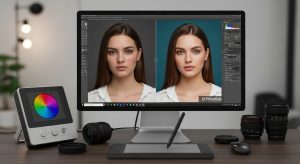
🎯 Want every print to look gallery-ready? Let our professional photo retouching team polish skin, color, and detail before you hit print.


Quick Snapshot: 4×6 vs 5×7 at a Glance

Before we go deep, here’s a fast comparison that answers the most common questions in seconds.

  • 4×6 photo size: 4 inches × 6 inches (10.16 cm × 15.24 cm), aspect ratio 2:3, area 24 sq inches
  • 5×7 photo size: 5 inches × 7 inches (12.7 cm × 17.78 cm), aspect ratio 5:7, area 35 sq inches
  • Surface area difference: A 5×7 gives you roughly 46% more visible space than a 4×6
  • Best 4×6 use cases: Albums, wallets, postcards, event handouts, casual prints
  • Best 5×7 use cases: Framed portraits, wall décor, invitations, premium gifts
  • Typical cost gap: 5×7 prints usually run two to three times the price of a 4×6

Now let’s unpack each of these points so you can make a confident, informed choice.


Understanding Standard Photo Print Sizes

Why 4×6 and 5×7 Became Industry Standards

These two sizes didn’t appear by accident. They evolved directly from 35mm film photography, where the native 2:3 negative ratio made 4×6 the natural enlargement for everyday prints. The 5×7 followed shortly after as a step-up size for portraits and special occasions, fitting comfortably between casual snapshots and full 8×10 displays.

Today, both sizes anchor nearly every photo lab menu — from drugstore kiosks to high-end print houses. Frame manufacturers, album designers, and greeting card companies build their products around these dimensions, which keeps your costs low and your options wide.

How Modern Cameras and Phones Affect Your Choice

Your camera’s sensor decides how cleanly your image fits a given print size. According to Adobe’s photography guidelines, most DSLRs and mirrorless cameras shoot at a native 3:2 ratio, which slides perfectly into a 4×6 print with zero cropping. Smartphones, on the other hand, often capture in 4:3, meaning you’ll lose a small strip when printing either size — though 5×7 typically requires slightly more trimming.


Dimensions and Aspect Ratios Compared

The Math Behind the Print

Numbers tell the real story here. A 4×6 photo print measures exactly 4 inches wide by 6 inches tall (or vice versa for landscape), giving you 24 square inches of viewing area. A 5×7 photo print stretches to 5 inches by 7 inches, delivering 35 square inches — almost half again as much space for your subject to shine.

The aspect ratios diverge in meaningful ways:

  • 4×6 sits at 2:3 — the same ratio your DSLR likely uses, making it the most “no-fuss” print size available
  • 5×7 sits at roughly 5:7 — a slightly squarer feel that works beautifully for portraits and tighter compositions
  • Phone shots in 4:3 crop more comfortably to 5×7 than to 4×6, despite popular belief

Pixel Requirements for Crisp Prints

Print labs recommend 300 DPI (dots per inch) for sharp results. That translates to specific minimum pixel counts:

  • 4×6 prints: 1200 × 1800 pixels minimum
  • 5×7 prints: 1500 × 2100 pixels minimum
  • For absolute best quality: Aim 20% above these numbers to allow safe cropping

Anything lower introduces visible softness, especially around eyes, hair, and fine textures. If your file falls short, AI-based upscaling tools can rescue it, but starting with enough resolution always beats fixing the problem later.


Common Uses for 4×6 Photo Prints

Where the Compact Format Truly Shines

The 4×6 print earns its reputation through sheer practicality. Families reach for it constantly because it slips into wallets, fits classic photo albums, and stacks neatly into shoeboxes of memories. Event photographers often hand out 4×6 prints on-site, letting guests walk away with a tangible souvenir before the night ends.

Businesses lean on 4×6 prints for marketing too. Real estate agents tuck them into property packets. Restaurants slip them into menus as daily-special teasers. Wedding planners use them as save-the-date postcards because postage stays affordable.

Top scenarios where 4×6 wins:

  • Family photo albums and scrapbooks
  • Holiday cards and postcard mailers
  • School portrait packages
  • Wallet keepsakes and gift exchanges
  • Bulk event prints (parties, reunions, conferences)
  • Quick reference shots for crafters and DIY projects

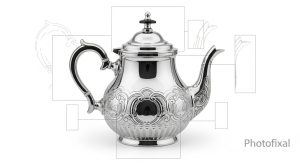
🎯 Selling on Amazon, Etsy, or Shopify? Our multi-clipping path service isolates every product element so each print pops with crisp edges.


Common Uses for 5×7 Photo Prints

When You Need More Presence

The 5×7 print steps up the moment presentation matters more than portability. Portrait photographers favor it because the extra surface area lets facial expressions and background detail breathe. Wedding studios print formal portraits at 5×7 for parents and grandparents who want something framed on the mantel — large enough to admire from across the room, small enough to dust easily.

Designers love the 5×7 for invitations, thank-you cards, and announcement pieces because the size leaves room for both imagery and elegant typography. E-commerce brands print 5×7 lookbook cards as premium inserts inside packaging, turning a simple unboxing into a brand moment.

Top scenarios where 5×7 wins:

  • Framed portraits for desks, shelves, and side tables
  • Wedding and graduation announcements
  • Boutique product lookbooks
  • Real estate listing flyers
  • Limited-edition art reproductions
  • Premium thank-you and holiday cards

For deeper sizing context — including how 4×6 compares to wallet-size prints for portability — this wallet photo size breakdown maps out the entire small-print spectrum clearly.


Cost Comparison: 4×6 vs 5×7 Prints

What You Actually Pay

Pricing varies by lab, paper grade, and finish, but the patterns hold steady across the industry:

  • 4×6 prints: $0.15 – $0.50 each at retail labs, lower in bulk
  • 5×7 prints: $0.30 – $1.50 each, with premium papers pushing higher
  • Bulk discounts: Both sizes drop sharply past 100 prints
  • Shipping: Larger prints often bump shipping into the next weight tier

Home Printing vs Lab Printing Costs

Printing at home feels cheaper until you tally ink consumption, photo paper, and the inevitable test prints. A consumer-grade inkjet handles 4×6 prints affordably, but 5×7 prints chew through cartridges faster than most people expect. Professional labs spread their wholesale ink and paper costs across thousands of orders, which usually beats home pricing once you factor in failed attempts.

For archival-quality output that lasts decades, professional labs win every time. They use pigment-based inks and acid-free papers that resist fading far better than consumer supplies.


Image Quality and Resolution Requirements

Resolution: The Quiet Difference-Maker

A blurry 5×7 looks far worse than a blurry 4×6 because the larger surface magnifies every flaw. This is why many photographers default to 4×6 when their source files are smaller or older. As a rule:

  • Files under 2 megapixels → stay with 4×6
  • Files between 2 and 5 megapixels → 4×6 or carefully cropped 5×7
  • Files above 5 megapixels → either size prints beautifully

Color Profiles, Paper, and Finish

Color shifts between screen and paper trip up beginners constantly. Monitors glow with backlight; prints reflect ambient light, which dulls vibrancy. To compensate:

  • Convert files to sRGB before sending to most labs
  • Use ICC profiles when your lab provides them
  • Glossy paper boosts contrast and saturation — great for landscapes
  • Matte paper softens highlights and reduces glare — great for portraits
  • Lustre or satin finishes split the difference and resist fingerprints

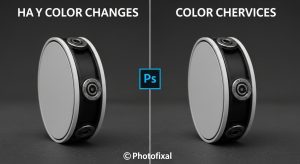
🎯 Need brand-perfect tones across every print? Our color change and correction specialists match swatches, fabrics, and skin tones with precision.


Printing at Home vs Professional Services

The Honest Trade-Offs

Home printing wins on speed and creative control. You see the result in minutes, you tweak settings on the fly, and you decide exactly how each photo looks. The downside: consumer printers struggle with consistent color, and ink costs creep up fast.

Professional services win on quality, durability, and economy at scale. Their drum scanners, calibrated workflows, and chemical-process papers produce results that home printers simply can’t match. Order a few hundred prints and the per-unit cost often falls below what you’d spend running cartridges through a desktop machine.

Choose home printing when:

  • You need 1–10 prints right now
  • You enjoy hands-on creative control
  • Color accuracy matters less than speed

Choose professional printing when:

  • Quantity exceeds 25 prints
  • Long-term durability matters
  • The photo will hang on a wall or sit in a frame for years

Editing Photos for Optimal Printing Results

The Pre-Print Checklist

A great print starts long before the paper rolls through the printer. Edit your files with intention:

  1. Crop to the exact aspect ratio — never let the lab decide
  2. Brighten shadows by 10–15% — paper absorbs light differently than screens
  3. Boost saturation slightly for matte paper, less for glossy
  4. Sharpen for output, not display — output sharpening adds bite without artifacts
  5. Soft-proof in Photoshop or Lightroom if your lab provides ICC profiles
  6. Flatten and export as JPEG at maximum quality, sRGB color space

The Photographic and Imaging Manufacturers Association publishes ongoing guidance on print preparation that pros still reference for evolving paper standards.

Where Retouching Earns Its Keep

Editing covers the fundamentals; retouching transforms them. Skin smoothing, eye brightening, stray-hair removal, and background cleanup elevate a snapshot into a portrait worth printing large. This matters more at 5×7 than 4×6 because larger prints reveal more.

🎯 Want every face to look its best at any size? Our headshot retouching service delivers natural, professional polish that frames love.


Special Considerations for Product Photography

Print Size Affects Buyer Perception

E-commerce sellers underestimate how much print size shapes customer trust. A 4×6 product card feels casual — fine for a free insert. A 5×7 lookbook card feels considered, premium, brand-aware. Choose deliberately:

  • 4×6 product prints: Quick reference cards, hangtags, sample slips
  • 5×7 product prints: Catalog pages, lookbooks, gift-with-purchase inserts

For apparel and fashion brands, larger prints reveal fabric texture and stitching detail that small prints flatten. For jewelry and accessories, tight crops on a 4×6 often outperform a wider 5×7 because the eye locks onto the product immediately.

Backgrounds, Shadows, and Edges

Clean cutouts and natural shadows make printed product photos look professional rather than amateur. Drop shadows ground items on the page; soft reflections add subtle realism without distracting from the subject.

🎯 Selling fashion, gadgets, or home goods? Our drop shadow service adds depth that makes products look anchored, not floating.


When to Choose 4×6 Photo Size

Pick 4×6 When…

  • You’re printing in bulk and want to control costs
  • You need wallet-friendly portability
  • The image lives in an album, scrapbook, or postcard
  • The original file resolution sits below 5 megapixels
  • The recipient will likely tuck it into a wallet or fridge

The 4×6 isn’t a “lesser” choice — it’s the right tool for casual, frequent, mobile uses where the print circulates rather than hangs.


When to Choose 5×7 Photo Size

Pick 5×7 When…

  • The print will be framed and displayed
  • The image is a portrait, family group, or hero shot
  • You want room for design elements like text or borders
  • The photo serves as a gift, announcement, or keepsake
  • The original file has plenty of resolution to spare

Think of 5×7 as the sweet spot between everyday and elevated. It looks intentional without demanding the wall space of an 8×10 or larger.


Tips for Choosing the Right Photo Size

A Decision Framework That Actually Helps

When you can’t decide, walk through these questions:

  • Where will it live? Album → 4×6. Frame → 5×7.
  • How many do you need? Hundreds → 4×6. Dozens → either.
  • What’s the source resolution? Below 5MP → 4×6. Above → either.
  • Who is the audience? Casual viewers → 4×6. Gift recipients or clients → 5×7.
  • What’s the budget? Tight → 4×6. Flexible → 5×7.

Don’t Forget the Frame Factor

Frames designed for 5×7 prints often include mat openings that reveal only 4.5 × 6.5 inches of the actual image. Build a small safety margin into your composition so important details — eyes, logos, faces — never sit too close to the edge.


Beyond 4×6 and 5×7: Knowing When to Size Up

Sometimes the right answer is neither. Consider larger sizes when:

  • The image will hang above a couch or bed (try 11×14 or larger)
  • The detail level deserves a viewer’s full attention
  • The space already feels overcrowded with small frames

Smaller sizes (like wallet prints) work better for:

  • Pocket-sized keepsakes
  • Locket inserts and ID badges
  • Multi-photo collages with many subjects

For a deeper look at small-format options, the Smithsonian’s photography preservation guide explains how size and storage interact for archival projects.


Frequently Asked Questions

1. What’s the actual size difference between a 4×6 and 5×7 photo?
A 4×6 measures 4 inches by 6 inches (24 square inches), while a 5×7 measures 5 inches by 7 inches (35 square inches). The 5×7 offers about 46% more visible surface area than a 4×6.

2. Which print size matches my smartphone photos better?
Smartphones typically shoot in a 4:3 ratio, which crops slightly to fit either size. The 5×7 generally requires less aggressive cropping than the 4×6 for most phone shots.

3. How many pixels do I need for a sharp 5×7 print?
For crisp results at 300 DPI, you need at least 1500 × 2100 pixels. Anything lower risks softness, especially in faces and fine textures.

4. Is 5×7 worth the extra cost over 4×6?
For framed displays, gifts, and portraits, yes — the larger size delivers visibly more impact. For albums and casual sharing, 4×6 offers better value.

5. Can I print a vertical photo at both 4×6 and 5×7?
Yes, both sizes work in portrait or landscape orientation. Just confirm your composition still looks balanced after cropping to each aspect ratio.

6. Do 4×6 and 5×7 prints fit in standard frames easily?
Both sizes have abundant frame options, but 4×6 frames are slightly more common at big-box retailers, while 5×7 frames offer more design variety at home décor stores.

7. Should I print on glossy or matte paper for these sizes?
Glossy enhances vibrancy and contrast — perfect for landscapes and product shots. Matte reduces glare and softens highlights — ideal for portraits and gallery displays.

8. How do I avoid losing important parts of my photo when cropping?
Compose with extra space around your subject when shooting, then crop in editing rather than letting the lab decide. Soft-proof your final crop before sending the file.


Final Thoughts: Print With Purpose, Not Habit

Choosing between 4×6 and 5×7 is really a choice about how a photo will be experienced. The 4×6 carries memories — it travels in wallets, lines album pages, and reaches mailboxes affordably. The 5×7 commands attention — it earns frame space, anchors gifts, and elevates announcements. Neither is “better.” Each serves moments the other can’t.

The real upgrade isn’t picking the larger size — it’s preparing your files thoughtfully before printing. Crisp resolution, accurate color, clean edges, and well-retouched subjects make any print size look intentional. Master those fundamentals, and even the humblest 4×6 will outperform a sloppy 8×10.

🎯 Ready to print without regrets? Hand your images to our photo editing experts at PhotoFixal and watch every size — 4×6, 5×7, or larger — come back gallery-ready.

Photofixal

We are a premier image post-production company specializing in professional shadow creation and product image editing services by expert human editors. Trusted by e-commerce businesses, product brands, and photographers worldwide.

Services

Company

Contact

info@photofixal.com
+880 1714 420630
Dhaka, Bangladesh

© 2026 Photofixal. All rights reserved.

Privacy Policy | Terms of Service |