Home Pricing About Us Contact

The Best DSLR Camera Guide: Reviews, Specs & Buying Tips

Why DSLRs Still Belong in Your Camera Bag (Even in a Mirrorless World)

DSLR cameras refuse to die, and honestly, they shouldn’t. While the photography industry pushes mirrorless systems harder every year, professional shooters, hobbyists, and budget-conscious creators still reach for digital single-lens reflex cameras for one simple reason: they work brilliantly. The optical viewfinder shows you the world as your eyes see it, the battery life lasts entire weddings, and the lens ecosystems remain massive after decades of refinement.

In this guide, you’ll discover the best DSLR cameras worth buying right now, the features that actually matter for your photography style, and how to choose between full-frame and crop sensor bodies without overspending. Whether you shoot portraits, landscapes, wildlife, or product photography, the right DSLR delivers stunning image quality at prices mirrorless rivals cannot match.

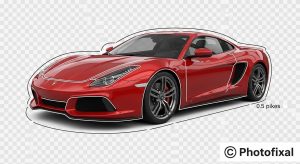
🎯 Ready to make your photos commercially perfect? Let our expert team handle your professional photo retouching so you can focus on capturing more incredible shots.


What Makes a DSLR “Best” in 2026?

Defining the “best” DSLR depends entirely on what you photograph and how you work. A wildlife photographer needs fast autofocus and a deep buffer. A studio portrait artist values resolution and dynamic range. A beginner just wants something reliable that won’t break the budget.

When evaluating any DSLR today, focus on these key factors:

  • Sensor size and resolution — Full-frame sensors capture more light and detail, while APS-C bodies offer reach and affordability.
  • Autofocus system — Phase-detection point count and low-light sensitivity define how reliably you nail focus.
  • Burst rate and buffer depth — Sports and wildlife shooters need at least 7 fps with a generous RAW buffer.
  • Video capabilities — 4K recording, dual-pixel autofocus, and microphone inputs matter for hybrid creators.
  • Build quality and weather sealing — Magnesium alloy bodies survive professional abuse far longer than plastic shells.
  • Lens ecosystem — Canon EF and Nikon F mounts offer thousands of native and third-party options.

According to Digital Photography Review, sensor technology has plateaued enough that even five-year-old flagship DSLRs still produce images indistinguishable from new releases in most real-world conditions. That makes today’s market a buyer’s paradise.


The Best DSLR Cameras You Can Buy Right Now

1. Nikon D850 — The Resolution King

The Nikon D850 remains the undisputed champion of full-frame DSLRs, and nothing has truly dethroned it. Nikon packed a 45.7-megapixel back-side illuminated CMOS sensor into a body that shoots 7 frames per second (9 fps with the optional battery grip). Landscape photographers love the dynamic range, which exceeds 14 stops at base ISO. Portrait shooters appreciate the silent shooting mode and tilting touchscreen.

Key strengths include:

  • 153-point autofocus system inherited from the flagship D5
  • 4K UHD video recording without crop
  • Focus shift shooting for stunning macro stacks
  • Dual XQD and SD card slots for instant backups
  • Roughly 1,840-shot battery life per charge

The D850 handles weddings, fashion shoots, commercial work, and fine art with equal grace. If you can afford only one DSLR, make it this one.


2. Canon 5D Mark IV — The Workhorse Veteran

The Canon 5D Mark IV has earned its reputation as the most dependable DSLR ever made. Its 30.4-megapixel full-frame sensor strikes a beautiful balance between resolution and file size, while the 61-point autofocus system delivers reliable subject tracking even in tricky lighting.

What makes this camera special:

  • Dual Pixel CMOS AF for buttery-smooth video focus pulls
  • Built-in GPS and Wi-Fi for geotagging on the go
  • 7 fps continuous shooting with deep buffer
  • Touch-sensitive rear LCD for intuitive menu navigation
  • Compatibility with hundreds of Canon EF lenses

Wedding photographers, journalists, and event shooters consistently rank the 5D Mark IV as the most trustworthy camera they have ever owned. It simply gets the job done.

📸 Selling products online? Get crisp, professional clipping path services that make every item pop against any background.


3. Nikon D780 — The Hybrid Powerhouse

The Nikon D780 borrows the brilliant sensor from the Z6 mirrorless camera and stuffs it into a familiar DSLR body. This means you get the best of both worlds: traditional optical viewfinder shooting with mirrorless-grade live view autofocus and 4K video.

Standout features:

  • 24.5MP full-frame sensor with excellent low-light performance up to ISO 51,200
  • 273-point on-sensor phase-detect AF in live view
  • 7 fps mechanical shooting, 12 fps in silent live view mode
  • Tilting touchscreen for awkward shooting angles
  • Robust weather sealing for outdoor work

The D780 suits photographers transitioning between still and video work without committing to a full mirrorless switch.


4. Canon EOS 90D — Best APS-C All-Rounder

For shooters who don’t need full-frame, the Canon EOS 90D offers exceptional value. Its 32.5-megapixel APS-C sensor delivers more resolution than most full-frame cameras, and the 1.6x crop factor extends your telephoto reach dramatically.

Why creators love it:

  • 10 fps burst shooting for action and wildlife
  • 4K UHD video at 30p without crop
  • Fully articulating touchscreen perfect for vlogging
  • Joystick controller for fast AF point selection
  • Compact, weather-resistant magnesium body

Birders and sports photographers especially appreciate how the 90D’s crop factor turns a 400mm lens into a 640mm equivalent.


5. Pentax K-1 Mark II — The Underdog Hero

The Pentax K-1 Mark II remains a hidden gem in the DSLR landscape. While Canon and Nikon dominate headlines, Pentax quietly builds some of the most rugged, feature-packed full-frame DSLRs available.

Unique selling points:

  • 5-axis in-body image stabilization (rare in DSLRs)
  • Pixel Shift Resolution for ultra-detailed static scenes
  • Built-in Astrotracer for star photography
  • Extreme weather sealing tested to subzero conditions
  • 36.4-megapixel sensor with no anti-aliasing filter

Adventure photographers, astrophotographers, and landscape specialists find the K-1 II uniquely capable in environments where other cameras struggle.


6. Nikon D7500 — Best Mid-Range DSLR

The Nikon D7500 brings flagship technology down to an accessible price point. It inherits the 20.9-megapixel sensor and EXPEED 5 processor from the professional D500, giving enthusiasts serious capability without serious cost.

Notable features:

  • 51-point AF system with 15 cross-type sensors
  • 8 fps burst shooting
  • 4K UHD video with electronic stabilization
  • Tilting touchscreen and intuitive controls
  • ISO range extending to 1,640,000

This camera bridges the gap between beginner and professional, making it ideal for advancing hobbyists who refuse to compromise on image quality.


7. Canon EOS Rebel T8i — The Best Beginner DSLR

Newcomers shouldn’t overlook the Canon EOS Rebel T8i (also called the 850D). It packs surprising capability into a compact, lightweight body that won’t intimidate first-time DSLR owners.

Beginner-friendly highlights:

  • 24.1MP APS-C sensor for sharp, detailed images
  • 45-point all cross-type AF system
  • Vari-angle touchscreen with intuitive guided menu
  • 7 fps burst rate
  • Built-in Wi-Fi and Bluetooth for instant sharing

The Rebel line has launched countless photography careers, and the T8i continues that tradition admirably.

✨ Want flawless portrait skin without losing realism? Try our natural beauty retouching service trusted by photographers worldwide.


DSLR vs Mirrorless: Which Should You Actually Buy?

The DSLR-versus-mirrorless debate divides photographers like few other topics. Both systems produce stunning images, but they differ in meaningful ways that affect daily shooting.

DSLRs win on:

  • Battery life (often 1,500+ shots per charge)
  • Optical viewfinder accuracy (zero lag, zero electronic processing)
  • Lens availability and pricing on the used market
  • Tactile, button-rich ergonomics for fast adjustments
  • Lower upfront cost for comparable image quality

Mirrorless wins on:

  • Compact size and weight
  • Real-time exposure preview in the EVF
  • Eye-detection autofocus accuracy
  • Silent shooting capabilities
  • Forward-looking manufacturer development

Interestingly, your perception of a camera’s output often depends on how you view your own images. A fascinating exploration of this phenomenon appears in this analysis of mirror vs camera accuracy, which explains why photos sometimes surprise photographers compared to viewfinder previews.

For most photographers who already own DSLR lenses, sticking with the system makes financial sense. The image quality difference between modern DSLRs and mirrorless rivals remains essentially invisible in print or web display.


Matching the Right DSLR to Your Photography Style

Choosing well means matching the camera to your work, not chasing specs blindly.

For portrait photographers, prioritize resolution and color science. The Nikon D850 and Canon 5D Mark IV both excel here, delivering skin tones that require minimal post-production.

For wildlife and sports shooters, autofocus speed and burst rate matter most. Consider the Canon 90D for its crop reach or the Nikon D500 for its blazing 10 fps performance and 200-frame RAW buffer.

For landscape artists, dynamic range and resolution rule. The Pentax K-1 II’s Pixel Shift mode and the D850’s massive files give you cropping flexibility and tonal depth that smaller sensors simply cannot match.

For event and wedding photographers, reliability outweighs everything. The Canon 5D Mark IV and Nikon D780 have proven themselves through millions of weddings worldwide.

For beginners, ease of use trumps raw power. Start with the Canon Rebel T8i or Nikon D3500 (still widely available used) and grow into more advanced gear as your skills develop.

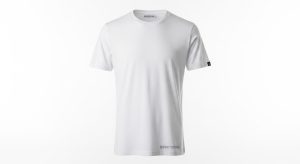
🛍️ Running an e-commerce store? Our ghost mannequin service gives apparel photos that clean, professional invisible-form look buyers trust.


Lens Selection: The Secret Sauce of Great DSLR Photography

Your camera body matters less than people think. Lenses shape your images far more profoundly than sensor specifications ever will. Both Canon EF and Nikon F mounts offer enormous ecosystems built over decades of refinement.

Smart lens-buying strategies include:

  • Start with a fast 50mm prime (f/1.8) for portraits and low-light work
  • Add a 24-70mm f/2.8 zoom for versatile general-purpose shooting
  • Consider a 70-200mm f/2.8 for compressed portraits and sports
  • Explore third-party options from Sigma, Tamron, and Tokina for budget-friendly quality
  • Browse the used market through reputable dealers like KEH Camera and MPB for substantial savings

Remember that DSLR lenses hold their value remarkably well, so quality glass purchased today will serve you for decades.


Common DSLR Buying Mistakes to Avoid

Even experienced photographers stumble when shopping for cameras. Watch out for these pitfalls:

  • Chasing megapixel counts: Beyond 24MP, most users gain nothing practical from extra resolution.
  • Ignoring ergonomics: A camera that feels wrong in your hands becomes a creative obstacle.
  • Buying brand-new flagships: Last-generation pro DSLRs often outperform new mid-range bodies at half the price.
  • Skimping on lenses: A $500 lens on a $3,000 body wastes potential; reverse the ratio for better results.
  • Neglecting memory cards: Slow cards bottleneck burst shooting and 4K video recording.

Take time to physically handle cameras before committing. Most camera shops welcome customers who want to try gear, and rental services like LensRentals let you test bodies thoroughly before buying.


Post-Processing: Where Good DSLR Photos Become Great

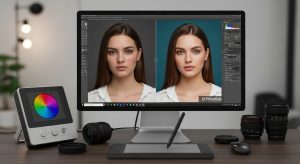
Even the finest DSLR captures only raw potential. Professional post-production transforms technically correct images into commercially compelling ones. Color grading, skin retouching, background cleanup, and shadow work elevate everyday shots into portfolio-worthy pieces.

Photographers and e-commerce brands increasingly outsource editing to specialists who can deliver consistent quality at scale. Whether you need basic background removal, complex compositing, or fashion-grade beauty work, professional editors save countless hours.

🖼️ Tired of spending nights editing product photos? Our reliable background removal service delivers clean, transparent cutouts in 24 hours or less.


DSLR Care Tips That Extend Camera Life

Treating your DSLR well preserves both performance and resale value:

  • Clean your sensor every few months using proper swabs and solution
  • Store the camera in a dry cabinet or dry box to prevent fungus growth in lenses
  • Use UV filters on lenses to protect front elements from scratches
  • Update firmware regularly through the manufacturer’s official software
  • Carry a microfiber cloth for cleaning the rear LCD and viewfinder

Well-maintained DSLRs routinely last 15+ years and 300,000+ shutter actuations, making them genuine long-term investments rather than disposable electronics.


Conclusion: The Best DSLR Is the One You’ll Actually Use

The best DSLR camera for you depends on your shooting style, budget, and creative goals more than any spec sheet ranking. The Nikon D850 dominates resolution categories, the Canon 5D Mark IV defines professional reliability, and the Canon Rebel T8i opens doors for newcomers. Every camera on this list will outlast trends and deliver images that compete with anything mirrorless rivals produce.

DSLRs aren’t going extinct anytime soon. Manufacturers continue supporting these systems, third-party lens makers keep innovating, and the used market overflows with bargains. If you love optical viewfinders, all-day battery life, and that satisfying mirror-slap sound, embrace the DSLR. Your photography will thrive.

🚀 Ready to deliver flawless images to your clients? Partner with PhotoFixal today and let our expert editors transform your DSLR captures into commercial masterpieces.


Frequently Asked Questions (FAQs)

Are DSLR cameras still worth buying in 2026?

Yes, absolutely. DSLRs deliver excellent image quality, robust battery life, massive lens ecosystems, and significant cost savings compared to comparable mirrorless bodies. For most photographers, the practical differences favor DSLRs in real-world shooting.

What is the best DSLR for beginners?

The Canon EOS Rebel T8i ranks as the top beginner DSLR because of its intuitive guided menu, vari-angle touchscreen, lightweight body, and affordable price. The Nikon D3500 also remains popular for entry-level shooters.

Which DSLR has the best image quality?

The Nikon D850 consistently tops image quality rankings thanks to its 45.7-megapixel BSI sensor, exceptional dynamic range, and outstanding low-light performance. It rivals medium-format cameras in many shooting scenarios.

Should I buy a full-frame or APS-C DSLR?

Full-frame DSLRs offer superior low-light performance, shallower depth of field, and wider field of view. APS-C cameras provide telephoto reach, lower cost, and lighter weight. Choose based on your shooting style and budget rather than perceived prestige.

How long do DSLR cameras last?

Well-maintained DSLRs routinely last 10–15 years and survive 150,000–500,000 shutter actuations depending on the model tier. Professional bodies like the Canon 5D Mark IV and Nikon D850 endure especially heavy use.

Can DSLRs shoot professional video?

Modern DSLRs handle video impressively. The Canon 5D Mark IV pioneered Dual Pixel autofocus for smooth focus pulls, while the Nikon D780 records 4K UHD with on-sensor phase detection. Filmmakers still use DSLRs for documentary and narrative work.

Why do my photos look different than what I see through the viewfinder?

Lens distortion, lighting changes, and image processing all contribute. Your viewfinder shows a real-time optical view, while the final image reflects sensor capture and in-camera processing. Understanding this difference helps you anticipate results better.

Should I switch from DSLR to mirrorless?

Switch only if you genuinely need specific mirrorless advantages (compact size, eye-AF, silent shooting). If your DSLR meets your needs, switching costs thousands of dollars for incremental quality improvements most viewers will never notice.