Home Pricing About Us Contact

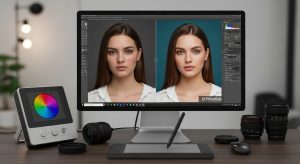
You have captured a stunning shot. The lighting is almost perfect, the composition is strong, but something still feels missing. Every photographer and digital artist faces this moment. The difference between a good image and a breathtaking one rarely happens in the camera alone. It happens in the editing suite.

In 2026, the landscape of photo editing has transformed completely. AI tools no longer feel like experimental add-ons. They now drive the core workflows of professionals worldwide. We have Generative Fill expanding canvases with a text prompt, intelligent masking detecting hair and fur automatically, and noise reduction algorithms that recover details once lost forever. Whether you edit product images for an e-commerce empire, retouch portraits for a luxury brand, or simply want to make your social media stand out, choosing the right software changes everything.

I have tested dozens of applications to bring you this definitive guide. These ten tools represent the absolute best in 2026, balancing power, usability, and innovation. You will find industry giants like Adobe, powerful AI-native newcomers, and surprisingly capable free alternatives.

But before we dive in, consider this: Sometimes, even the best software cannot replace the human eye. If you have a massive catalog that needs perfect cutouts or complex retouching, let us handle the heavy lifting. Transform your product images with expert precision — get a free quote today.


Quick Comparison Table: Top 10 Photo Editing Software 2026

SoftwareBest ForPricing ModelKey AI FeatureLearning Curve
Adobe PhotoshopPixel-level manipulationSubscriptionGenerative Fill/ExpandSteep
Adobe Lightroom ClassicRAW workflow & batch editingSubscriptionAI Masking & DenoiseModerate
Capture One ProTethered shooting & color gradingSubscription/PerpetualSmart AdjustmentsSteep
Luminar NeoAI-powered creative editingOne-time/SubscriptionGenErase & Sky AIEasy
DxO PhotoLabOptical corrections & noise reductionOne-timeDeepPRIME XD2sModerate
ON1 Photo RAWAll-in-one solutionOne-time/SubscriptionSuper Select AIModerate
Affinity PhotoPhotoshop alternative (no subscription)One-timeML Object SelectionModerate
Topaz Labs SuiteImage quality enhancementOne-time per appRecovery & UpscalingEasy
CanvaSocial media & quick designsFreemiumMagic MediaVery Easy
GIMPFree, open-source editingFreeBasic AI pluginsModerate

Section 1: Professional Heavyweights (The Industry Standards)

1. Adobe Photoshop: The Undisputed King of Pixel Manipulation

When professionals talk about photo editing, they usually mean Adobe Photoshop. Released in 2026, version 27.6 proves why this software remains the gold standard after three decades. Photoshop does not just edit photos; it reinvents them entirely.

The headline feature this year integrates third-party AI models directly into Generative Fill. You can now switch between Adobe Firefly, Flux, and even Gemini models right inside the tool bar. This flexibility means you get the most accurate generative results for your specific image type. Need to remove a complex background distraction? Do it in seconds.

Users also benefit from Generative Upscale, a feature that boosts low-resolution images using models from Adobe Firefly or Topaz Labs. Photographers working with older files or cropped images will find this feature invaluable.

Key Features in 2026:

  • Generative Fill & Expand: Select an area, type a description, and watch AI generate realistic content that matches lighting and perspective.
  • Neural Filters: Edit facial expressions, adjust age, or change color grades using machine learning.
  • Content-Aware Fill: Removes unwanted objects seamlessly.
  • Frequency Separation: The industry standard for high-end skin retouching and texture preservation.
  • Integration with Lightroom: A seamless round-trip workflow between organization and heavy manipulation.

Pricing: Starting at $9.99/month for the Photography Plan (20GB) or $19.99/month for the 1TB plan.

Best For: Professional photographers, graphic designers, digital artists, and anyone needing absolute control over every pixel.

It is powerful, but it requires time to master. Do not expect instant results if you are a beginner.

2. Adobe Lightroom Classic: The Ultimate Workflow Machine

While Photoshop manipulates, Lightroom Classic organizes and perfects. Professional photographers often shoot hundreds of images per session. Lightroom Classic handles this volume with unmatched efficiency.

Version 15.3, released in April 2026, supercharges the AI engine. The Denoise, Super Resolution, and Raw Details enhancements now run in the background. You no longer wait for processing to finish before continuing your edits. This small change saves professionals hours every week.

The software also introduces film-inspired presets named Warm Gold and Light Sage, giving your images an analog feel with one click. The AI-assisted culling feature helps you select the best shots from hundreds of similar images by learning your preferences.

Key Features in 2026:

  • AI Masking: Select subjects, skies, or specific objects automatically for targeted adjustments.
  • Super Resolution: Doubles linear resolution with incredible detail preservation.
  • Batch Processing: Sync edits across thousands of images instantly.
  • Cloud Sync: Access your full catalog on mobile, tablet, or any computer.
  • Tethered Capture: Now supports Fujifilm cameras directly.

Pricing: Included in Adobe Photography Plan ($9.99/month for Lightroom + Photoshop with 20GB).

Best For: Wedding photographers, event shooters, real estate photographers, and anyone who manages large image libraries.

If you do not need advanced manipulation, Lightroom alone might be all you ever require.

Struggling with complex hair or fur masking? Manual editing takes forever. Let our experts handle detailed image masking for you — starting at just $1.50/image.

3. Capture One Pro: The Color Scientist’s Choice

Capture One Pro has always been the secret weapon of high-end commercial photographers. It does not try to be Photoshop. Instead, it focuses on what it does best: stunning RAW conversion, tethered shooting, and the most precise color grading tools available.

In 2026, Capture One maintains its reputation for superior skin tone rendering and highlight recovery. The software handles Sony, Canon, Nikon, and Fujifilm RAW files with exceptional accuracy. Many fashion and beauty photographers prefer Capture One specifically for the way it renders skin textures naturally.

The software offers both subscription and perpetual licensing options. You can pay $25 per month or purchase a perpetual license for $299. This flexibility appeals to professionals who dislike subscription-only models.

Key Features:

  • Tethered Shooting: Industry-standard live view and camera control for studio work.
  • Color Balance Tool: Adjust shadows, midtones, and highlights independently with extraordinary precision.
  • Layers & Masks: Apply adjustments locally with full control.
  • Styles & Presets: Create and share custom looks.
  • Session Workflow: Perfect for sharing projects with retouchers and clients.

Pricing: $25/month subscription or $299 perpetual license.

Best For: Commercial studio photographers, fashion and beauty specialists, and color-critical work.

The interface feels less intuitive than Lightroom, but the results justify the learning curve.


Section 2: AI-First Innovators (The New Generation)

4. Luminar Neo: The AI Powerhouse for Creatives

Luminar Neo arrives in 2026 with a spring update that elevates its already impressive AI capabilities. Skylum has focused heavily on portrait retouching this year. The Skin AI tool now includes a dedicated Blemish Removal feature that intelligently detects and removes imperfections while preserving natural skin texture.

What makes Luminar Neo special is its accessibility. You do not need years of experience to achieve professional results. The software does the heavy lifting while keeping you in creative control. The GenErase tool removes unwanted objects, GenSwap replaces elements seamlessly, and GenExpand extends image backgrounds intelligently.

Mobile users also benefit from new Face AI tools like Face Light and Face Slim, bringing advanced retouching to smartphones.

Key Features in 2026:

  • Sky AI: Replace dull skies with dramatic clouds, sunsets, or starry nights in seconds.
  • Portrait Bokeh AI: Create shallow depth of field effects with adjustable blur quality.
  • Accent AI: Enhances the entire image with one slider that balances exposure, contrast, and color.
  • Structure AI: Adds clarity and detail without creating halos or artifacts.
  • Noise Reduction: Clean up high-ISO images while keeping sharpness intact.

Pricing: One-time purchase or subscription options available (starting around $10/month).

Best For: Hobbyists, portrait photographers, real estate photographers, and creatives who want speed.

It lacks the deep control of Photoshop, but for 80% of editing tasks, it completes them 80% faster.

5. DxO PhotoLab: The Optical Correction Specialist

DxO PhotoLab does something no other software does as well. It corrects lens imperfections based on actual lab measurements. Every lens has quirks. Soft corners, chromatic aberration, distortion, and vignetting plague even expensive glass. DxO PhotoLab 8 fixes all of these automatically with its Optical Modules.

Version 8 introduces the DeepPRIME XD2s denoising algorithm, which sets a new standard for noise reduction quality. You can shoot at ISO 6400 and produce images cleaner than ISO 800 from other processors. The new Hue Mask allows precise color selections for targeted adjustments.

Key Features:

  • DeepPRIME XD2s Noise Reduction: Industry-leading noise removal with detail preservation.
  • Optical Modules: Automated correction for over 80,000 camera and lens combinations.
  • Local Adjustments: Apply edits using brush, gradient, or hue masks.
  • ClearView Plus: Reduces haze and improves contrast in landscapes.
  • Soft Proofing: Ensure print accuracy before you output.

Pricing: One-time purchase (around $219 for Elite version).

Best For: Landscape photographers, architectural shooters, and anyone shooting in low light.

It does not offer layers or complex compositing. Use it with Photoshop or Affinity for complete control.

6. ON1 Photo RAW: The All-in-One Powerhouse

ON1 Photo RAW 2026 wants to replace your entire workflow. It combines asset management, RAW processing, layered editing, and effects in one application. You never need to jump between different programs.

The headline improvement this year is Super Select AI masking. You create one-click subject and background masks, then stack or subtract multiple mask layers within a single edit. This gives photographers complete control over local adjustments without wrestling with complex tools.

The software also introduces Depth Lighting, a filter that creates masks based on distance from the camera, producing stunning atmospheric effects. The built-in Resize AI handles enlargements without quality loss.

Key Features in 2026:

  • Super Select AI: Instantly mask subjects, skies, or custom objects.
  • Layer-Based Editing: Combine multiple images, add text, or create composites.
  • ON1 Effects: Hundreds of customizable filters and presets.
  • Bulk Processing: Apply edits to entire folders at once.
  • Portable Catalog: Store your catalog on an external drive and edit anywhere.

Pricing: One-time purchase or subscription (starting around $100/year).

Best For: Photographers who want an all-in-one solution without multiple subscriptions.

It does not match Photoshop for pixel-level manipulation, but it handles 95% of photography tasks excellently.

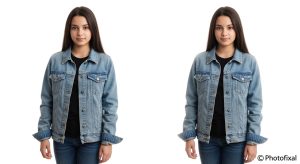
Want that perfect 3D ghost mannequin effect for your apparel catalog? Stop struggling with complex Photoshop layers. Order professional ghost mannequin service with fast 12-hour turnaround.

7. Topaz Labs Suite: The Image Quality Restoration Experts

Topaz Labs does not create full editing suites. Instead, it creates specialized AI tools that perform specific miracles. Topaz Photo AI, Gigapixel AI, and Video AI serve distinct purposes, and they excel at each one.

In 2026, Topaz Gigapixel introduces the “Recover” upscaling model, which produces softer, more natural results specifically for fur and feathers. The Remove tool for object removal also sees major upgrades for cleaner outputs.

Photoshop 2026 even integrates Topaz Gigapixel directly into its Generative Upscale feature, highlighting how respected Topaz technology has become.

Key Features:

  • Gigapixel AI: Enlarges images up to 600% while adding realistic details.
  • Photo AI: All-in-one sharpening, denoising, and face recovery ($199).
  • Sharpen AI: Corrects out-of-focus images and motion blur (around $79).
  • DeNoise AI: Removes noise without destroying texture (around $79).
  • Mask AI: Complex masking made simple for difficult subjects.

Pricing: Topaz Photo AI costs $199 (one-time purchase). Other apps in the lineup typically range from $79 to $99 each, and bundle deals often provide additional discounts.

Best For: Anyone who needs to rescue or enlarge existing images. Real estate agents, archivists, and print designers benefit most.

These are specialized tools, not complete editors. You will still need primary editing software.


Section 3: Best Value & Free Alternatives

8. Affinity Photo: The Photoshop Killer (Without the Subscription)

Affinity Photo has earned its reputation as the most credible Adobe alternative. Version 2.6 adds a Machine Learning Object Selection tool that automatically detects and selects complex objects. This brings Affinity closer to Photoshop’s AI capabilities while maintaining its one-time purchase model.

You pay once, and you own the software forever. No monthly fees, no cloud credits, no surprises. Affinity Photo handles PSD files, supports 16-bit editing, and includes all the professional tools photographers need.

Key Features:

  • Object Selection Tool: ML-powered automatic subject detection.
  • Live Filters: Apply adjustments non-destructively.
  • Focus Stacking: Combine multiple focus points for maximum depth of field.
  • HDR Merge: Create true-to-life high dynamic range images.
  • 360° Image Editing: For VR and panoramic content.

Pricing: $54.99 one-time purchase (Mac, Windows, iPad).

Best For: Budget-conscious professionals, students, and anyone who refuses to pay subscriptions.

It lacks some advanced AI features found in Photoshop, but it covers all essential editing tasks exceptionally well.

9. Canva: The Democratizer of Design

Canva is not traditional photo editing software. It cannot replace Photoshop for professional retouching. However, for social media managers, small business owners, and content creators, Canva offers something more valuable: speed and simplicity.

Canva integrates Affinity’s professional editing power after acquiring the company. Canva Pro subscribers ($120/year) access advanced AI tools like Magic Media and Magic Eraser directly within the familiar drag-and-drop interface. You design social posts, presentations, videos, and print materials without jumping between apps.

Key Features in 2026:

  • Magic Studio: A collection of AI tools for generating and editing content.
  • Background Remover: One-click subject isolation.
  • Magic Eraser: Removes unwanted objects instantly.
  • Brand Kit: Maintain consistent colors, fonts, and logos across all designs.
  • Extensive Template Library: Over a million professionally designed templates.

Pricing: Free tier available. Canva Pro costs $120/year.

Best For: Social media managers, small business owners, educators, and non-designers.

Do not expect professional-level retouching or color grading. For that, you still need dedicated software.

10. GIMP: The Free Open-Source Legend

GIMP (GNU Image Manipulation Program) 3.2 represents a massive leap forward for free software. Released in March 2026, this version introduces non-destructive layers, vector layers, and a completely modernized interface. The MyPaint Brush tool now includes 20 new brushes and automatically adjusts to canvas zoom.

GIMP will never match Photoshop’s polish or AI integration. However, for budget-zero scenarios, nothing comes close. You perform layer-based editing, apply masks, create composites, and export in all major formats. The open-source community constantly adds plugins and scripts to extend functionality.

Key Features in 2026:

  • Non-Destructive Layers: Edit with complete flexibility.
  • Vector Layers: Create and edit vector shapes inside a raster environment.
  • PSD Import: Improved support for Photoshop file layers and styles.
  • Customizable Interface: Arrange tools and panels exactly how you want.
  • Plugin Ecosystem: Add features like HDR, focus stacking, and batch processing.

Pricing: Completely free.

Best For: Students, hobbyists, and anyone editing on a zero-dollar budget.

The learning curve feels steeper than it should, but the price makes experimentation risk-free.

Your product photos look flat without professional shadows. Add depth and realism instantly. Get stunning drop shadow effects starting at just $0.99 per image.


Section 4: How to Choose the Right Software for Your Needs

With ten excellent options available, how do you decide? Answer these three questions honestly:

1. What is your primary use case?

  • Professional photography (portraits, weddings, events): Lightroom Classic + Photoshop
  • Commercial product photography: Capture One Pro or Lightroom + Photoshop
  • E-commerce product listings: Luminar Neo or ON1 Photo RAW
  • Social media content: Canva
  • Restoring old photos or upscaling: Topaz Labs
  • Learning without budget: GIMP

2. What is your budget?

  • $0: GIMP
  • Under $100/year: Canva Pro or Affinity Photo (one-time)
  • Under $200/year: Luminar Neo or ON1 Photo RAW
  • Full professional suite: Adobe Photography Plan ($9.99/month)
  • Enterprise tethered shooting: Capture One Pro ($300 perpetual)

3. What hardware do you use?

  • Mac only: Try Pixelmator Pro (Mac-only editor with excellent performance)
  • iPad users: Affinity Photo for iPad or Lightroom Mobile
  • Windows PC: All options work well
  • Older computers: Lightroom Classic or DxO PhotoLab (optimized for performance)

Pro Tip: Most software offers free trials. Download 2-3 options that fit your needs and edit the same 5 images in each. The winner will become obvious quickly.


Section 5: The Future of Photo Editing (2027 and Beyond)

The trends shaping 2026 point clearly toward the future. AI integration will deepen further in 2027. We already see Apple preparing AI photo editing tools called Extend, Enhance, and Reframe for iOS 27. Expect these capabilities to spread across every platform.

Generative AI models will continue improving speed and accuracy. Photoshop’s integration of multiple third-party models shows where the industry heads: customizable AI pipelines that let users choose the best model for each task.

On-device processing will become the norm for privacy-focused users. Apple’s commitment to running AI locally on iPhones, iPads, and Macs sets a standard that others will follow.

Finally, expect more one-time purchase options to emerge as subscription fatigue grows. Affinity Photo’s success proves users will pay upfront for quality software without recurring fees.

Choosing software is just the start. Professional results require professional editing. Get expert background removal for clean, e-commerce-ready product images — starting at $0.49/image.


Frequently Asked Questions (FAQ)

Q1: Which photo editing software is best for beginners in 2026?

Luminar Neo offers the best balance of power and ease for beginners. The AI handles complex adjustments automatically, and the interface feels intuitive. Canva works perfectly if you primarily create social media content. Both offer free trials, so you can test before committing.

Q2: Is Adobe Photoshop still worth the subscription fee in 2026?

Yes, for professionals. Photoshop remains unmatched for pixel-level control, compositing, and advanced retouching. The Generative Fill feature alone saves hours of manual work. However, if you do not need these advanced capabilities, consider Affinity Photo (one-time purchase) or Luminar Neo (simpler workflow).

Q3: What is the best free photo editing software?

GIMP 3.2 leads the free category by a wide margin. The new non-destructive layers and improved interface make it genuinely usable for serious work. Canva’s free tier also offers impressive capabilities for quick designs and basic photo adjustments.

Q4: Which software handles RAW files best?

Adobe Lightroom Classic and Capture One Pro lead RAW processing. Lightroom excels at catalog management and batch editing. Capture One produces superior color, especially for skin tones. DxO PhotoLab offers the best noise reduction and optical corrections.

Q5: Can I edit photos professionally on an iPad?

Yes. Affinity Photo for iPad delivers desktop-grade editing on tablets. Lightroom Mobile offers excellent RAW processing and cloud sync. Pixelmator for iPad provides a polished, intuitive experience. However, expect some limitations compared to desktop versions.

Q6: What is Generative Fill and which software has it?

Generative Fill replaces selected image areas with AI-generated content based on text descriptions. Adobe Photoshop pioneered this feature. Luminar Neo offers similar capabilities with GenErase and GenSwap. Expect this feature to become standard across all major editors by 2027.

Q7: How do I choose between Lightroom Classic and Capture One Pro?

Choose Lightroom Classic if you need catalog management for thousands of images, cloud sync across devices, or a lower monthly price. Choose Capture One Pro if you work mostly in a studio with tethered shooting, demand the best possible color grading tools, or prefer a perpetual license option.

Q8: Which software works best for e-commerce product photography?

Luminar Neo speeds up basic product edits with AI. Adobe Lightroom Classic handles large catalogs efficiently. For specialized needs like ghost mannequin effects or multi-clipping paths, professional editing services often outperform software alone. ON1 Photo RAW offers an excellent all-in-one workflow for product photographers.


Final Verdict

The “best” photo editing software depends entirely on your specific needs. No single tool dominates every category.

  • For absolute power: Adobe Photoshop wins.
  • For workflow and organization: Lightroom Classic leads.
  • For speed and AI: Luminar Neo impresses.
  • For value without subscription: Affinity Photo excels.
  • For zero budget: GIMP suffices.

Try free trials. Watch tutorial videos. Edit sample images. The right software will feel natural and efficient. More importantly, remember that tools serve your creative vision, not the other way around.

Ready to take your photos to the next level without spending hours learning complex software? Contact us today for professional photo retouching that delivers stunning results fast.

Photofixal

We are a premier image post-production company specializing in professional shadow creation and product image editing services by expert human editors. Trusted by e-commerce businesses, product brands, and photographers worldwide.

Services

Company

Contact

info@photofixal.com
+880 1714 420630
Dhaka, Bangladesh

© 2026 Photofixal. All rights reserved.

Privacy Policy | Terms of Service |