Home Pricing About Us Contact

A Photographer’s Complete Guide to Mood, Emotion, and the Looks Defining 2026

Have you ever stared at a photograph and felt something shift inside you before you even processed what you were looking at? That quiet, almost invisible pull is rarely an accident. Photographers craft it deliberately through color grading — the creative process that turns a technically correct image into a piece of visual storytelling. In 2026, color grading has moved far beyond a simple finishing touch. It now sits at the center of how images perform on social platforms, how brands build identity, and how photographers earn recognition.

This guide walks you through what color grading really means, how it differs from color correction, the tools professionals trust, and — most importantly — the 2026 color grading trends every photographer should understand right now. Whether you shoot weddings, portraits, products, or lifestyle content, the looks shaping this year are surprisingly different from what dominated 2023–2024. Let’s dig in.

🎨 Want graded-ready images without the editing headache? Send your raw files to our professional photo retouching service and get color-perfect results that match your signature style every single time.


What Is Color Grading in Photography?

Color grading is the creative process of adjusting and enhancing the colors of a photograph to evoke a specific mood, communicate emotion, or establish a consistent visual identity. It works on three core building blocks of color:

  • Hue — the actual color (red, teal, amber, etc.)
  • Saturation — how vivid or muted that color appears
  • Luminance — how bright or dark each color renders

Rather than asking “does this image look real?”, color grading asks “what should this image feel like?” That single question separates technical editing from creative authorship. A grade can transport viewers to a foggy Scandinavian morning, a sun-drenched Italian rooftop, or a moody downtown alley — all from the same starting RAW file.

Color grading borrows much of its language from cinema. Hollywood colorists pioneered the iconic looks we now recognize instantly, and photographers have adopted those techniques to give still images cinematic weight.


Color Correction vs. Color Grading: The Difference That Matters

People often confuse these two stages, but they serve very different goals and almost always happen in sequence.

Color correction is the technical baseline. You fix:

  • White balance so whites actually look white
  • Exposure so the image isn’t crushed or blown out
  • Skin tones so subjects look healthy and human
  • Contrast so details survive across shadows and highlights

Color grading is the artistic layer that follows. You decide:

  • Whether the highlights glow gold or stay neutral
  • Whether shadows lean teal, plum, or warm chocolate
  • Whether greens feel lush or muted
  • Whether the entire image whispers nostalgia or shouts confidence

Think of correction as cleaning the canvas and grading as painting the mood. Skipping correction leaves you trying to grade a flawed foundation, and the results almost always look muddy. For a deeper technical breakdown, DIY Photography’s comparison explains the workflow nicely.


Why Color Grading Matters More Than Ever in 2026

The visual landscape has changed. Audiences scroll faster, platforms compress harder, and AI-generated imagery competes with real photography for attention. A strong, consistent color grade gives your work three undeniable advantages:

  • Instant recognition — Followers identify your photos before reading your name
  • Emotional pull — Color shapes mood before composition or subject even register
  • Premium positioning — Brands and clients pay more for photographers with a defined visual signature

Color grading also unifies images shot in mixed lighting, across multiple venues, or over several days. Without it, a wedding album can feel like five different photographers shot it. With it, every frame belongs to the same story.


The Color Grading Trends Defining 2026 Photography

Here’s where things get exciting. The trends dominating 2026 represent a clear pushback against the over-processed, heavy-handed edits that ruled the late 2010s and early 2020s. Photographers and clients alike are gravitating toward grades that feel honest, intentional, and emotionally grounded.

1. Subtle Film-Inspired Tones (Kodak & Fuji Revival)

Film emulation is back — but cleaner and more refined than the heavy grain-soaked looks of past years. Photographers are mimicking the gentle character of stocks like Portra 400, Kodak Gold, and Fuji 400H without trying to fool anyone into thinking they shot on celluloid.

Expect to see:

  • Soft warm midtones with a hint of golden light
  • Muted greens and blues that never feel dull
  • Creamy highlights and gentle contrast
  • Tasteful, almost-invisible grain

This look pairs especially well with weddings, family portraits, and editorial lifestyle work.

2. Clean, True-to-Life Editing

After years of moody and crushed shadows, the pendulum has swung. Many of 2026’s most-booked photographers are leaning into balanced white balance, accurate skin tones, and almost-no-filter realism. The goal? Photos that look like elevated memory rather than over-styled fantasy. 21 Photography’s 2026 trend report confirms this shift toward natural, true-to-life color grading across the wedding industry.

3. Bold, Saturated Statements

On the opposite end of the spectrum, fashion, advertising, and music photography are embracing bold color grading — vivid reds, electric blues, punchy yellows. This approach thrives on social platforms where images must stop the scroll within milliseconds.

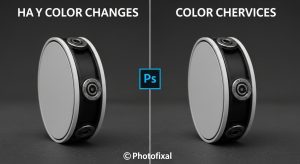
🛍️ Selling products online? Vivid, accurate colors convert better. Try our professional color change service to fix off-brand hues, swap variants, and make every product image catalog-ready.

4. Moody Natural Tones (Not Heavy Moody)

The dark, crushed, almost-black-shadow look of 2020–2023 has matured. The 2026 version preserves shadow detail, keeps skin tones believable, and uses muted color palettes rather than aggressive desaturation. Think atmospheric, not underexposed.

Key characteristics include:

  • Rich shadows that still hold texture
  • Soft, atmospheric light rather than harsh contrast
  • Earthy, restrained palettes (sage, olive, terracotta, ochre)
  • Preserved skin warmth even within a cool overall grade

5. Warm Vintage Black & White

Pure black-and-white can feel cold. Photographers in 2026 are warming their monochrome with subtle brown, cream, or charcoal undertones — adding emotion without sacrificing the timelessness B&W is loved for. Fine grain returns as a textural choice rather than a noise problem.

6. Burgundy, Terracotta & Grounded Earth Palettes

Color forecasters and photography influencers have spotlighted deep burgundy, terracotta, and warm browns as the breakout palette of 2026. These tones feel grounded, romantic, and slightly retro — perfect for weddings, lifestyle branding, and interiors.

7. AI-Assisted Grading Workflows

Adobe, Capture One, and DaVinci Resolve have embedded AI deep into their grading panels. Skin-tone protection, automatic shot matching, and intelligent palette suggestions now save hours per shoot. The photographer still drives creative decisions — AI just handles the tedious math underneath. According to Envato’s 2026 photography trends report, AI editing has officially become the default workflow for working creators.

8. Teal & Orange — But Smarter

The classic blockbuster look isn’t dead, but it’s evolved. The 2026 version is gentler, with less aggressive teal in shadows and more naturalistic orange in skin tones. It still pops on a feed without screaming “preset overlay.”

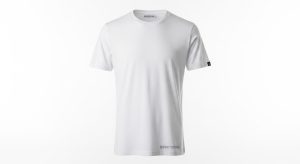
👗 Running an apparel brand? Pair on-trend color grades with our ghost mannequin service for crisp, professional product photos that match your campaign aesthetic perfectly.


The Tools Professionals Use for Color Grading

You don’t need a Hollywood DI suite. Most working photographers achieve their grades inside two or three core applications.

Adobe Lightroom & Camera Raw

Lightroom remains the industry workhorse. Its dedicated Color Grading panel offers three intuitive wheels for shadows, midtones, and highlights — modeled directly on cinema-grade tools.

Adobe Photoshop

Photoshop’s Curves, Selective Color, and Color Balance adjustments give you surgical control. The new Color and Vibrance panel introduced in recent versions makes targeted skin-tone work faster than ever. If you want a deep dive into color manipulation in Photoshop, this guide on how to change the color of an object in Photoshop walks through the techniques cleanly.

Capture One

Loved by fashion and product photographers for its precise color editor and tethering features.

DaVinci Resolve

Originally built for film, Resolve has grown popular among hybrid shooters who want true cinema-grade tools and node-based control.

Mobile Apps

VSCO, Lightroom Mobile, Snapseed, and Darkroom now offer surprisingly capable grading panels for on-the-go work.


A Simple, Repeatable Color Grading Workflow

Follow this five-step process and you’ll get consistent results no matter what you shoot.

  1. Correct first, grade second — Fix exposure, white balance, and contrast before touching any creative slider
  2. Set a global mood with white balance — Push warm for nostalgia, cool for drama
  3. Use the Color Grading wheels — Add complementary hues to shadows and highlights
  4. Refine with the HSL panel — Target individual colors (skies, foliage, skin) for harmony
  5. Save as a preset — Build a personal library so your style stays consistent across projects

A good rule of thumb: if a casual viewer notices your grade too obviously, you’ve probably gone too far. The best grades feel inevitable rather than applied.

💼 Need a unified look across hundreds of images? Let our team handle batch editing and cohesive grading through our multi-clipping path service and matched-look retouching pipelines.


Color Psychology: Choosing Hues That Tell the Right Story

Every color carries emotional weight. Smart photographers choose grades that reinforce — rather than fight — the story inside the frame.

  • Warm tones (red, orange, amber) — passion, comfort, nostalgia, energy
  • Cool tones (blue, teal, cyan) — calm, mystery, distance, melancholy
  • Earth tones (terracotta, olive, ochre) — grounded, organic, timeless
  • Pastels (peach, sage, blush) — gentle, romantic, dreamy
  • High-contrast bold (saturated primaries) — confident, modern, attention-grabbing

Color theory isn’t restrictive — it’s a starting point. Once you understand the emotional vocabulary of color, breaking the rules becomes a creative tool rather than an accident.


Common Color Grading Mistakes (And How to Avoid Them)

Even experienced photographers fall into these traps. Watch for them:

  • Oversaturated skin tones — Skin is your viewer’s anchor to reality. Protect it
  • Crushing the shadows — Detail loss looks amateurish on modern displays
  • Inconsistent grading across a series — Build presets early in your career
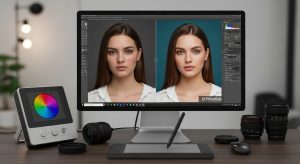
  • Editing on an uncalibrated screen — Your “perfect” image may look terrible elsewhere
  • Chasing trends instead of building style — Trends fade; voice doesn’t
  • Skipping correction — A bad foundation poisons every creative move that follows

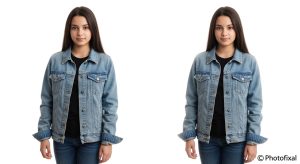
✨ Building a portfolio or wedding album? Our headshot retouching service preserves authentic skin tones while enhancing every detail — perfect for photographers who refuse to compromise on quality.


How Social Media Shapes Color Grading in 2026

Instagram, TikTok, and Pinterest aren’t just distribution channels — they’re style incubators. Each platform rewards different grades:

  • Instagram still favors warm, cohesive feeds with consistent palettes
  • TikTok rewards bold, high-contrast looks that survive aggressive compression
  • Pinterest loves muted earth tones and editorial film aesthetics
  • LinkedIn prefers clean, true-to-life portraits with neutral skin tones

Smart photographers now grade slightly differently for each output, creating platform-specific versions from a single master file.


Building Your Signature Color Grading Style

The photographers earning the highest rates in 2026 share one thing: a recognizable visual signature. Here’s how to build yours:

  • Study what moves you — Save 50+ images that share a feeling, not a subject
  • Identify the common thread — Look for shared shadow color, highlight tone, or saturation level
  • Build three reference presets — A bright, neutral, and moody version of your look
  • Stay consistent for 90 days — Audiences need repetition to recognize a style
  • Refine annually — Style should evolve, not change weekly

Your grade should feel like an extension of how you see the world — not a copy of someone else’s eye.

🎯 Wrapping up a big shoot? Hand the editing to our experienced team via the professional photo editing services at Photofixal and reclaim hours for creative work that actually grows your business.


Frequently Asked Questions

1. What is color grading in photography in simple terms?
Color grading is the creative process of adjusting hues, saturation, and brightness in a photo to set a specific mood or visual style — going beyond technical correction into artistic expression.

2. How is color grading different from a filter?
Filters apply a one-click look that often ignores the underlying image. Color grading is intentional, image-specific, and uses precise tools (curves, wheels, HSL) to shape every tonal range individually.

3. What are the biggest color grading trends in 2026?
Subtle film tones, clean true-to-life editing, moody natural palettes, burgundy and terracotta earth tones, AI-assisted workflows, and warm vintage black-and-white are all dominating 2026.

4. Do I need expensive software to color grade my photos?
No. Lightroom, Photoshop, Capture One, and even free apps like Snapseed and Darkroom offer powerful grading tools. Skill matters far more than software cost.

5. Should I color correct before color grading?
Always. Correction creates a clean technical foundation; grading applies your creative vision on top. Skipping correction leads to muddy, unpredictable results.

6. How do I keep skin tones natural while color grading?
Use HSL panels to protect orange and red hues, apply grades selectively to shadows or highlights rather than midtones, and check skin against a reference image regularly.

7. Can I batch-apply a color grade across an entire shoot?
Yes — save your edit as a preset in Lightroom or Capture One, then sync it across the full take. Adjust per-image as needed for lighting variations.

8. How long does it take to develop a personal color grading style?
Most photographers need six to twelve months of consistent shooting and editing before a recognizable signature emerges. Patience and self-review accelerate the process.


Final Thoughts: Color Grading Is Your Voice as a Photographer

Color grading isn’t a finishing step — it’s where your photographic voice actually lives. The 2026 trends point in a clear direction: away from heavy-handed processing and toward grades that feel honest, emotional, and intentional. Whether you embrace subtle film tones, bold saturated statements, or grounded earth palettes, the goal stays the same. You want your viewer to feel something the moment they see your image.

Master the fundamentals, study the trends without becoming a slave to them, and build a workflow you can repeat. Color grading rewards patience and consistency more than any single technique.

🚀 Ready to elevate every image you publish in 2026? Partner with Photofixal’s expert background removal team and free yourself to focus on shooting, styling, and growing your photography brand.

Photofixal

We are a premier image post-production company specializing in professional shadow creation and product image editing services by expert human editors. Trusted by e-commerce businesses, product brands, and photographers worldwide.

Services

Company

Contact

info@photofixal.com
+880 1714 420630
Dhaka, Bangladesh

© 2026 Photofixal. All rights reserved.

Privacy Policy | Terms of Service |