Home Pricing About Us Contact

Why Shadows Quietly Decide Whether Shoppers Click “Buy” or Scroll Past

Online shoppers make snap judgments. Within three seconds of landing on a product page, a visitor decides whether your item looks trustworthy, premium, or forgettable. The deciding factor is rarely the headline or the price tag — it’s the photograph. And inside that photograph, one subtle ingredient does most of the persuasion work: the shadow.

Shadow creation for product photography is the post-production craft of digitally placing realistic shadows beneath, behind, or around an isolated product. Once a product gets cut from its original background through a clipping path, it floats awkwardly on a white canvas. A skilled editor restores gravity to that image by painting a shadow that re-anchors the product to a believable surface.

This guide walks you through every essential layer of shadow work — the four core shadow types, the psychology behind why they convert, the Photoshop techniques professionals trust, the common mistakes that cheapen your catalog, and the smart moment to outsource. By the end, you’ll know exactly how to turn flat product cutouts into images that feel real, premium, and ready to sell.

Need polished shadows on a tight deadline? Send your product photos to our expert drop shadow team and receive grounded, catalog-ready images that lift conversion without lifting your workload.


What Shadow Creation Actually Means in Modern E-commerce Editing

Shadow creation is a digital post-production process. Editors add, restore, or enhance shadows on product images after the background has been removed. The goal is simple: make the product look like it belongs somewhere physical, not floating in empty white space.

In a typical studio shoot, photographers use diffused lighting and clean backdrops to capture sharp, color-accurate product shots. The next step usually involves background removal, which strips the original shadow along with the backdrop. That’s when shadow creation enters the workflow — a designer rebuilds a shadow that matches the product’s geometry, surface, and the brand’s visual style.

A well-crafted shadow accomplishes three things at once:

  • It grounds the product so it appears to rest on a surface.
  • It reintroduces depth, making a 2D photo feel three-dimensional.
  • It signals authenticity to shoppers who can’t physically touch the item.

Shoppers rarely notice shadows consciously. Yet study after study on visual perception confirms that depth cues like shading directly influence trust and purchase intent. A 2023 Baymard Institute research summary on product image quality found that poor or missing visual cues remain one of the top friction points in online checkout flows.


The Four Essential Types of Shadows in Product Photography

Choosing the right shadow style depends on your product, surface, and brand personality. A smart catalog rarely uses just one type — it mixes styles strategically across categories.

1. Natural Shadow — The Realism Champion

Natural shadows replicate the soft, subtle shade that real lighting creates. Editors either preserve the original on-set shadow or rebuild it from scratch with feathered edges and varying opacity.

  • Why it works: Delivers the highest level of realism and authenticity.
  • Best for: Furniture, footwear, electronics, kitchenware, and anything resting on a flat base.
  • Visual signature: Soft edges, gentle gradient, slightly off-center direction.

2. Drop Shadow — The E-commerce Workhorse

Drop shadows are the most widely used effect in online retail. A clean, controlled shadow sits directly beneath the product, lifting it slightly off the page.

  • Why it works: Adds quick depth and clean separation from the background.
  • Best for: Almost any product on Amazon, Shopify, eBay, Walmart, or Etsy listings.
  • Visual signature: Symmetrical, soft-edged, and consistent across the catalog.

3. Reflection Shadow — The Luxury Signal

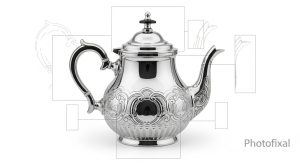
Reflection shadows mimic glass, marble, or polished surfaces. Instead of a dark patch, the editor paints a faint mirrored version of the product below it.

  • Why it works: Instantly elevates perceived value and signals premium quality.
  • Best for: Jewelry, watches, sunglasses, perfume bottles, and high-end cosmetics.
  • Visual signature: Vertical fade, soft transparency, glossy elegance.

4. Cast Shadow — The Cinematic Touch

Cast shadows simulate a directional light source coming from one side. The shadow stretches across the surface, creating drama and motion.

  • Why it works: Builds environment, narrative, and a lifestyle feel.
  • Best for: Apparel on ghost mannequin shots, large furniture, and editorial-style campaigns.
  • Visual signature: Angled, elongated, with directional intent.

Want each product styled with the right shadow type? Explore our ghost mannequin and shadow specialists to give apparel, accessories, and home goods a cohesive, conversion-ready finish.


Why Shadow Creation Directly Influences Sales and Brand Perception

Skipping shadows is one of the costliest mistakes in product imaging. The effect on customer behavior is measurable, even if shoppers can’t articulate why one image feels more trustworthy than another.

Shadows Build Buyer Trust Through Visual Honesty

Online buyers can’t pick up your product. Their brain searches the photo for sensory clues — weight, texture, scale. A grounded product photo gives the brain those clues. A floating cutout strips them away, triggering subconscious skepticism. Realistic shadows turn that skepticism into confidence.

Shadows Reinforce a Professional Brand Image

Your product images speak louder than your About page. Consistent, well-shadowed photos signal a meticulous brand. Sloppy or missing shadows whisper the opposite. Major retailers like Apple and Nike maintain shadow consistency across thousands of SKUs precisely because it telegraphs quality at scale.

Shadows Improve Visual Hierarchy on Crowded Pages

A well-placed shadow gently separates the product from the page background, drawing the eye exactly where you want it. On a marketplace search page filled with competitors, that small contrast boost can be the difference between a click and a scroll.

Shadows Elevate Perceived Value and Pricing Power

Picture two identical watches on a retailer’s site. One sits flat on a white canvas. The other features a clean reflection shadow beneath it. The second watch can comfortably command a higher price because it visually reads as more premium. Shadow type and quality are quiet pricing tools.


Practical Tips for Creating Realistic Product Shadows in 2026

Whether you’re editing in-house or briefing a vendor, these fundamentals separate amateur shadows from professional ones.

  • Match the shadow to the surface. Matte products produce softer shadows. Glossy products call for sharper edges and reflection effects.
  • Study real-world light. Window light creates feathered edges. Direct studio light creates crisp ones. Replicate what physics would do.
  • Maintain consistency across the catalog. Use the same light direction, opacity, and softness on every image. Your brand will look unified.
  • Skip pure black. Real shadows are dark gray with subtle color casts. Set opacity between 20% and 50% for natural results.
  • Soften gradually, not uniformly. Shadows blur more as they extend away from the object. Mimic that natural fade.
  • Honor perspective. Overhead light produces short, tight shadows. Side light stretches them across the frame.
  • Color-grade subtly. Pick up a hint of the surface color in the shadow for added realism.

Tired of inconsistent shadows across your store? Lock in a uniform look with our professional photo retouching team and keep every image visually aligned with your brand standards.


The Best Software and Tools for Shadow Creation

Several editing tools can produce excellent shadow effects. Some are clear leaders, while others suit smaller teams or one-off edits.

Adobe Photoshop — The Industry Standard

Adobe Photoshop remains the undisputed leader for shadow work. It offers complete control over every variable — opacity, angle, color, distance, blur, and blending modes.

Photoshop tools that matter most for shadow creation:

  • Layer panel: Keeps shadows on a separate layer so you can edit non-destructively.
  • Pen tool: Draws precise selections around complex products.
  • Brush tool: Lets you paint custom shadow shapes with soft-edge brushes.
  • Layer styles: The built-in Drop Shadow style speeds up basic effects.
  • Gaussian Blur filter: Softens shadow edges to match natural lighting.
  • Free Transform with Distort: Bends shadows to match perspective and angle.

GIMP — The Free Alternative

GIMP is a free, open-source editor that mirrors most Photoshop features. It supports layers, paths, brushes, and filters. For freelancers and bootstrapped sellers, it’s a credible starting point.

Canva and Pixlr — For Quick, Casual Edits

Canva’s built-in shadow effects work for social posts and lightweight catalog needs. Pixlr’s browser-based editor offers slightly more control. Neither replaces Photoshop for high-volume e-commerce work, but both serve well for small projects.

AI-Powered Shadow Tools

A new wave of AI shadow generators can produce decent results in seconds. Adobe’s Generative Fill feature can speed up rough drafts. The trade-off is precision — AI shadows often need manual cleanup before they pass a quality bar set by brands like yours.


Common Shadow Creation Mistakes That Quietly Kill Conversions

Even experienced editors slip up. Watch for these issues:

  • Pure black shadows. They look painted on, not natural. Always lean toward dark gray.
  • Mismatched light direction. A shadow falling left while highlights fall right tells the brain something is wrong.
  • Hard edges everywhere. Real shadows soften as they spread.
  • Identical shadows on every product. Different shapes need different treatments.
  • Over-blurring. Too much blur looks like a smudge, not a shadow.
  • Ignoring the surface. Glossy floors should hint at reflection. Matte ones should not.
  • Inconsistent opacity. Five products on one page should share the same shadow weight.

Switching from cutouts to clean, on-brand visuals? Pair shadow work with our background removal service for grounded, marketplace-ready images that look studio-perfect every time.


When DIY Editing Stops Making Sense — and Outsourcing Wins

Doing your own edits sounds economical at first. Then volume hits. A 200-SKU catalog with seasonal updates can swallow 40+ hours per month in shadow work alone.

Outsourcing makes financial sense when:

  • You upload more than 50 product images per week.
  • You need predictable turnaround during product launches.
  • Your in-house team should be focused on growth, not pixel pushing.
  • You sell on multiple marketplaces with different image guidelines.
  • Catalog consistency directly impacts your conversion rate.

A professional editing team brings standardized quality, scalable capacity, and rigorous QA. They also handle adjacent work — clipping paths, color correction, masking — without context switching for you. For deeper insight into how to evaluate vendors, this guide on the best clipping path service providers breaks down what to look for in a partner.


How to Brief a Shadow Creation Service for Best Results

A clear brief saves rounds of revisions. Include the following when handing off your files:

  • Reference samples of shadow styles you like.
  • Light direction and angle you want consistently applied.
  • Surface type — white floor, gradient backdrop, transparent PNG, etc.
  • Output specs — file format, resolution, color profile, naming convention.
  • Catalog rules — Amazon’s pure-white background requirements differ from your own DTC site.
  • Deadlines and batch sizes — daily upload, weekly batch, or one-time campaign.

The clearer the brief, the closer the first delivery comes to your final approval.


Shadow Creation Across Different Product Categories

Different industries demand different shadow approaches. Here’s a quick category cheat sheet.

  • Apparel and fashion: Natural shadows for flat-lay shots. Cast shadows for ghost mannequins.
  • Jewelry and watches: Reflection shadows on glossy or marble surfaces.
  • Furniture and home goods: Soft natural shadows for realism and scale.
  • Cosmetics and beauty: Light reflection shadows to enhance premium feel. Pair with beauty retouching for editorial finishes.
  • Electronics and gadgets: Clean drop shadows for marketplace consistency.
  • Food and beverage: Soft natural shadows that feel organic and inviting.
  • Footwear: Drop or natural shadows depending on whether shots are top-down or angled.

How Shadows Pair With Other Image Editing Services

Shadow creation rarely lives alone in a workflow. It usually arrives bundled with several adjacent edits:

  • Clipping path — The first step that isolates the product cleanly.
  • Background removal — Strips the original backdrop before shadow rebuilding.
  • Color correction — Ensures shadow tones match the brand palette.
  • Image masking — Handles fuzzy edges like hair, fur, or fabric textures.
  • Retouching — Cleans dust, scratches, and minor product flaws before shadow placement.

Bundling these services with one vendor preserves color and lighting continuity across the entire pipeline.


The Future of Shadow Creation: AI, Automation, and the Human Touch

AI shadow tools are improving fast. Generative models can now place plausible shadows on simple product cutouts in seconds. For high-volume marketplaces with low quality bars, that may be enough.

For premium brands, the human eye still wins. A skilled editor reads the product’s geometry, the brand’s mood, and the target customer in ways algorithms haven’t matched yet. Expect a hybrid future — AI handling rough drafts, humans polishing the final 20% that decides conversion.

Ready to scale image quality without scaling your workload? Talk to our team at Photofixal about a custom workflow that blends speed, precision, and the human craftsmanship your brand deserves.


Conclusion: Small Shadows, Big Sales Impact

Shadows look like a finishing touch. They’re actually a strategic asset. They build trust, project professionalism, sharpen visual hierarchy, and elevate perceived value — all from a few pixels of well-placed gray.

The brands that win in 2026 will treat shadow creation as a competitive moat, not an afterthought. Whether you build that capability in-house with Photoshop or partner with a specialist team, the principle stays the same: ground your products, respect physics, and stay consistent across every image.

Your product photos deserve to feel real. Real photos sell.


Frequently Asked Questions About Shadow Creation

1. What is shadow creation in product photography?
Shadow creation is a post-production technique where editors digitally add realistic shadows to a product image, usually after background removal, so the product looks grounded and three-dimensional rather than floating on white space.

2. Which shadow type is best for Amazon listings?
Drop shadows work best for Amazon and most marketplaces. They satisfy the pure-white background rule while still adding enough depth to keep the product visually anchored.

3. Can I create realistic shadows without Photoshop?
Yes. GIMP, Pixlr, and Canva all support basic shadow effects. For high-volume catalogs that demand consistency, Photoshop or a professional editing service still produces the best results.

4. How much does professional shadow creation cost?
Pricing varies by complexity, batch size, and turnaround. Simple drop shadows usually cost a fraction of natural or cast shadows because they require less manual painting. Bulk orders typically lower the per-image price.

5. Do shadows really increase conversion rates?
Yes. Realistic shadows improve perceived authenticity, which directly influences buyer trust and click-through behavior. Most e-commerce A/B tests show meaningful lift when flat cutouts are replaced with grounded, shadowed images.

6. How do I keep shadows consistent across hundreds of products?
Lock in a style guide that defines light direction, opacity, blur radius, and shadow color. Apply it across every image. Outsourcing to a single vendor with a documented workflow makes consistency much easier to maintain.

7. Can AI tools replace human shadow editors?
Not yet for premium work. AI handles simple drop shadows well but struggles with complex shapes, reflective surfaces, and brand-specific aesthetics. Human editors still deliver the polish that high-conversion catalogs require.

8. Should I outsource shadow creation or hire in-house?
Outsource if you upload more than 50 images per week, run seasonal campaigns, or sell on multiple platforms. Hire in-house only if image production is core to your daily creative output and volume justifies a full salary.

Photofixal

We are a premier image post-production company specializing in professional shadow creation and product image editing services by expert human editors. Trusted by e-commerce businesses, product brands, and photographers worldwide.

Services

Company

Contact

info@photofixal.com
+880 1714 420630
Dhaka, Bangladesh

© 2026 Photofixal. All rights reserved.

Privacy Policy | Terms of Service |