Home Pricing About Us Contact

From RAW Chaos to Gallery-Ready Art — How Pros Streamline Post-Production Without Burning Out

Wedding photography sells a promise. Couples hand you the most emotional day of their lives and trust you to bottle every laugh, tear, and stolen glance. But here’s the secret most clients never see: the magic doesn’t end when the reception lights dim. It begins the next morning, when you sit down with 3,000 RAW files and a blinking cursor.

A polished gallery doesn’t appear by accident. It’s the product of a deliberate, repeatable wedding photographers photo editing workflow that protects your sanity, your timeline, and your brand. Whether you’re a second-year shooter buried under backlog or a seasoned pro hunting for marginal gains, this guide breaks down exactly how the best in the business turn raw chaos into heirloom-quality images.

We’ll walk through ingestion, culling, color grading, retouching, exporting, and outsourcing — plus the timing benchmarks, software stacks, and common pitfalls that separate hobbyists from full-time professionals.

🎯 Drowning in retouching backlog after wedding season? Hand off the heavy lifting and reclaim your weekends with our professional photo retouching service built for busy photographers.


Why a Defined Editing Workflow Matters More Than Talent

The Hidden Cost of Disorganized Post-Production

Talented shooters fail every season — not because they can’t capture light, but because they can’t manage volume. A solo wedding photographer easily logs 20 to 60 hours of post-production per wedding, and without a structured pipeline that figure balloons fast. Decision fatigue sets in around photo number 800, consistency drifts, and turnaround times stretch from weeks to months.

A defined workflow solves three problems at once:

  • Consistency — every gallery looks like it came from the same artist, regardless of venue or lighting
  • Speed — repeatable steps remove guesswork and shave hours off each project
  • Mental bandwidth — you spend energy on creative decisions, not logistics

According to PetaPixel’s industry survey on post-production trends, photographers who follow a documented workflow deliver galleries roughly 40% faster than those who improvise each session. That speed compounds across an entire wedding season.

Workflow as a Brand Asset

Your editing pipeline isn’t just operational — it’s strategic. Couples book photographers whose galleries feel cohesive and intentional. When every image in a 600-photo set carries the same warmth, contrast, and skin-tone fidelity, clients perceive professionalism even if they can’t articulate why. The workflow becomes invisible craftsmanship that quietly drives referrals.


Step 1: Secure Ingestion and Bulletproof Backups

Before you touch a single slider, you protect the files. This stage is unglamorous but non-negotiable. Lose a memory card to corruption and you lose a couple’s wedding day forever — a career-ending mistake no insurance policy fully covers.

Dual-Card Shooting and Verified Transfer

Professional shooters write to two memory cards simultaneously during the event itself. One card serves as the primary; the other becomes an instant in-camera backup. Once you’re home, ingest the files using verified-copy software like Photo Mechanic rather than dragging folders through Finder or Explorer. Photo Mechanic performs a checksum on every file, catching corruption that a standard copy silently ignores.

The 3-2-1 Backup Rule (Your Insurance Policy)

Every working pro follows the 3-2-1 backup strategy:

  • 3 total copies of every wedding
  • 2 different storage media (e.g., internal SSD plus external drive)
  • 1 copy stored off-site or in the cloud

Cloud services like Backblaze or iDrive automate the off-site layer, while a RAID 1 mirrored array handles instant local redundancy. The rule is simple: never wipe a memory card until the final gallery is delivered and three verified copies exist.

Build a Repeatable Backup Checklist

Print or pin a four-line checklist next to your editing station:

  • Files copied from card to working drive (verified)
  • Mirror created on RAID or second internal drive
  • Cloud upload triggered and confirmed complete
  • Card retained — do not format until delivery

This tiny ritual eliminates the 3 a.m. panic of “Did I back that up?”


Step 2: Culling — The Art of Finding the Keepers

Culling is the most tedious step in the entire wedding photographers photo editing workflow, and also the most emotionally loaded. You’re deciding which moments survive and which disappear forever. Most pros cull a typical wedding from 2,000–4,000 RAW files down to a final delivery set of 400–700 images.

Manual vs. AI-Assisted Culling

Manual culling in Lightroom — flagging with the “P” and “X” keys — gives you total control but eats four to eight hours per wedding. AI culling has changed the math entirely.

Culling MethodTime for 2,000 FilesBest For
Manual in Lightroom4–8 hoursPhotographers who want full control
Photo Mechanic (manual)2–4 hoursFast preview rendering, metadata pros
AI Culling (Aftershoot, Narrative Select)20–60 minutesHigh-volume studios

Tools like Aftershoot and Narrative Select detect closed eyes, motion blur, and duplicates automatically. They cluster similar frames and pre-select the sharpest, most expressive option. The catch: AI still misses emotional nuance. Always do a final human pass on first kisses, family formals, and reception speeches — moments where micro-expressions matter more than technical sharpness.

Smart Culling Habits That Save Hours

  • Cull in two passes: first an obvious “yes/no” sweep, then a tighter “favorites only” pass
  • Take a five-minute break every 500 photos to reset your eyes
  • Never cull when tired, hungry, or distracted — fatigue ruins judgment
  • Group similar shots and pick the strongest from each cluster

🎯 Want crisp cutouts of rings, bouquets, or featured details for albums and social posts? Our multi clipping path service delivers pixel-perfect selections at scale.


Step 3: Color Correction and Grading in Lightroom

Once culling is locked, Lightroom Classic becomes your main workspace. Roughly 80% of your editing happens here — the global adjustments that establish mood, fix exposure, and unify the gallery.

Lightroom vs. Capture One: Choose Your Engine

Both programs deliver world-class results, but they suit different photographers:

  • Adobe Lightroom Classic dominates the wedding industry thanks to its preset ecosystem, cloud sync, and Photoshop round-tripping. Adobe’s official Lightroom Classic resource hub covers the latest AI masking and denoise features.
  • Capture One offers superior color science and tethered shooting controls, favored by editorial and studio shooters but less common in fast wedding workflows.

Color Correction First, Color Grading Second

Beginners often jump straight to mood. Pros separate the two stages:

  • Color Correction — neutralize white balance so the dress reads white, recover blown highlights, lift muddy shadows, and fix any tint introduced by mixed venue lighting
  • Color Grading — paint in the emotional layer: warm golden-hour highlights, lifted matte blacks, teal-and-orange contrast, or that creamy “fine art” pastel palette

Use Lightroom’s HSL panel surgically. Pulling orange saturation down by 5–10 calms over-tanned skin. Shifting the red hue slightly toward orange creates a sun-kissed glow without making faces look sunburned.

Batch Editing With Presets and Sync

Presets are how pros edit 600 photos in two days instead of two weeks. The workflow:

  • Edit one hero image per lighting scenario (ceremony, cocktail hour, reception, golden-hour portraits)
  • Save those settings as user presets named for the scenario
  • Use Sync to apply the hero’s settings to every photo from the same lighting condition
  • Tweak individual outliers manually

Build your own preset library over time — descriptive names like “Reception Tungsten Fix” or “Overcast Ceremony Cool” beat any commercial pack you’ll buy online.

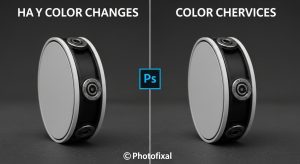
🎯 Bridal whites looking blue, or dress trains pulling green from grass? Our color change and correction experts restore true-to-life tones across full galleries.


Step 4: Photoshop Retouching for Hero Shots

Lightroom handles the gallery; Photoshop handles the masterpieces. The 30–50 “hero shots” that will hang on the wall, fill an album spread, or land on the couple’s social feed deserve pixel-level attention.

Frequency Separation for Natural Skin

Lightroom’s smoothing tools tend to plasticize skin. Professional retouchers reach for frequency separation, which splits an image into:

  • Low-frequency layer — color and tonal information you can blur to even out blotchiness
  • High-frequency layer — texture (pores, eyelashes, fine lines) that stays untouched

This technique removes redness, blemishes, and bruises while preserving the realistic skin texture clients actually want. It’s the dividing line between magazine-quality retouching and the dreaded “Instagram filter” look.

Object Removal and Scene Cleanup

Wedding venues are messy. Exit signs, fire extinguishers, stray guests, and gaffer-taped cables sneak into otherwise perfect frames. Photoshop’s Content-Aware Fill, Generative Fill, and Clone Stamp tools rescue these images. Reserve heavy cleanup for hero shots only — clients don’t expect (or pay for) it across the entire gallery.

Beauty Retouching Without Over-Doing It

Beauty work on bridal portraits demands restraint. Smooth, don’t sculpt. Brighten eyes, don’t bleach them. Keep moles, freckles, and laugh lines that make the bride recognizably herself. The unwritten rule: the bride should look like the best version of herself on her wedding day, not a different person.

🎯 Need flawless bridal close-ups without the plastic look? Our professional beauty retouching specialists preserve natural skin texture using frequency separation.

When to Skip Photoshop Entirely

Group formals with 15+ people don’t need individual retouching. Reception candids don’t need skin work. Save Photoshop hours for:

  • The first kiss
  • Bride and groom portraits
  • Ring and detail shots
  • The first dance close-ups
  • Album cover candidates

Step 5: Export Settings and Client Delivery

You’ve poured 30 hours into the edit. Don’t ruin it with sloppy exports.

File Format and Color Space Standards

  • Format: High-quality JPEG (quality 85–100)
  • Color space: sRGB — guarantees accurate display on every phone, tablet, and laptop
  • Resolution: 3000–4000 px on the long edge for full-resolution download; 2048 px for web galleries
  • Sharpening: Output sharpening set to “Screen, Standard”
  • Metadata: Embed copyright, contact info, and a subtle watermark if your contract requires it

Choose the Right Gallery Platform

Modern delivery happens through online galleries, not USB drives. Top choices include:

  • Pixieset — beautiful storefronts, integrated print store
  • Pic-Time — strong slideshow features and album builder
  • ShootProof — robust client proofing and download controls
  • CloudSpot — modern UI with mobile-first delivery

Each platform handles client downloads, print sales, and gallery branding so you stay focused on shooting and editing.

Build Lightroom Export Presets

Save two export presets and never touch the dialog again:

  • “Wedding Web Delivery” — JPEG quality 85, 2048 px long edge, screen sharpening, sRGB, full metadata
  • “Wedding Print Ready” — JPEG quality 100, full resolution, matte sharpening, sRGB, embedded copyright

For couples printing albums, photo books, or canvas wraps, this guide on standard photo sizes and printing tips helps avoid awkward crops and resolution mismatches.


Outsourcing vs. AI Automation: Scaling the Workflow

At some point, every successful wedding photographer hits the ceiling. You can’t shoot 40 weddings a season and edit them all yourself. Two solutions exist — and most pros eventually use both.

AI Editing Tools That Learn Your Style

Software like Imagen and Aftershoot Edits trains on 3,000+ of your previously edited photos and reproduces your signature look across new weddings. Once trained, the AI handles 80% of color and exposure decisions in minutes. You still review and refine, but the tedious slider work disappears.

Human Outsourcing for Premium Quality

For photographers who want hand-crafted results without the keyboard time, professional editing studios offer:

  • Full color correction and grading in your style
  • Skin retouching on hero shots
  • Background and object removal
  • Album design and culling

Outsourcing partners like PhotoFixal, ShootDotEdit, and Freedom Edits handle volume work so you focus on shooting and client relationships. According to a Fstoppers analysis on outsourcing economics, photographers who outsource scale revenue 2–3× faster than those who keep all editing in-house.

🎯 Removing distracting backgrounds from key portraits or detail shots? Our precision image masking team handles veils, hair, and lace without halos.


Realistic Timeline: How Long Should the Workflow Actually Take?

If you’re a couple wondering when your gallery arrives — or a photographer planning your editing calendar — here’s the realistic breakdown:

  • Sneak peek delivery — 5–10 images within 48 hours of the wedding
  • Ingestion and backup — 1–3 hours
  • Culling — 1–2 hours with AI; 4–8 hours manually
  • Lightroom editing and grading — 15–25 hours
  • Photoshop retouching — 2–5 hours (depending on hero count)
  • Exporting and gallery upload — 1–2 hours
  • Total turnaround — typically 4 to 8 weeks from wedding day to final delivery

Communicate this timeline up front. Couples panic when they don’t hear from you for two weeks; a clear schedule eliminates anxious DMs and protects your editing focus.


Common Workflow Mistakes That Cost Photographers Time and Money

Even experienced shooters fall into traps that quietly waste hours each week. Watch for these:

  • Editing the same image twice — happens when culling isn’t decisive
  • Skipping calibration — your monitor lies until you calibrate it with a SpyderX or similar device
  • Over-relying on presets — every preset needs per-image tweaks; no preset is one-click magic
  • Working without breaks — color judgment degrades after 90 minutes of continuous editing
  • Ignoring metadata — keywording and rating during the cull saves search time forever
  • Forgetting to lock backups — set archived weddings to read-only to prevent accidental edits

Building Your Personal Editing Signature

Workflow is the skeleton; style is the soul. Once you’ve nailed the mechanical steps, your signature emerges through:

  • Consistent color palette across all weddings
  • Recognizable contrast curves (matte, punchy, soft, or filmic)
  • Skin tone philosophy (cool editorial vs. warm romantic)
  • Highlight treatment (clipped vs. preserved, golden vs. neutral)
  • Black point preference (true black vs. lifted shadows)

Couples don’t book you for technical correctness — they book you for the feeling your galleries evoke. Your workflow exists to deliver that feeling reliably, wedding after wedding.


Final Thoughts: Trust the System, Refine Forever

The best wedding photographers don’t out-edit their competition — they out-system them. A bulletproof workflow protects your creativity, your timeline, and your client relationships. It transforms editing from a dreaded chore into a quiet craft you actually enjoy.

Start with the fundamentals laid out in this guide: secure backups, ruthless culling, batch color correction, surgical retouching, and clean delivery. Then refine each step over the next twelve months. Track your hours per wedding. Note what slows you down. Replace one bottleneck per month and watch your turnaround times collapse.

Your workflow isn’t static — it grows with you. The photographer you’ll be in three years edits faster, more consistently, and with more confidence than the one reading this article today. The only requirement is a system worth refining.

🎯 Ready to deliver galleries faster without compromising quality? Explore PhotoFixal’s full suite of professional editing services and finally take your weekends back.


Frequently Asked Questions (FAQ)

1. Do wedding photographers edit every photo they take?

No. Pros cull aggressively. From 2,000–4,000 raw captures, only 400–700 keepers reach the final gallery. The rest stay archived as RAW files but never get edited. Culling is what makes the workflow economically viable.

2. How long does it take to edit a full wedding gallery?

Most pros need 25–40 hours per wedding from ingestion to delivery. Total turnaround for the client is typically four to eight weeks, with a sneak-peek set of five to ten images sent within 48 hours of the event.

3. Should I use AI culling tools or stick with manual culling?

AI tools save 70–90% of culling time and catch closed eyes and blur reliably. Use them for the first pass, then do a manual review on emotional moments like first kisses, vows, and family formals where micro-expressions matter.

4. What’s the difference between color correction and color grading?

Color correction neutralizes the image — accurate whites, recovered highlights, balanced exposure. Color grading is the artistic layer on top, where you add mood through warm tones, lifted blacks, or stylized contrast. Always correct before you grade.

5. Can a photographer remove a guest from a photo?

Yes, but selectively. Photoshop’s Content-Aware Fill and Generative Fill remove people, exit signs, and other distractions on hero shots. Removing a person from every gallery image isn’t realistic — the editing time alone would cost more than most wedding packages.

6. Is outsourcing editing considered unprofessional?

Not at all. Most high-volume wedding photographers outsource culling, color correction, or retouching. The photographer retains creative direction; the editing partner executes. Outsourcing is how busy pros scale without sacrificing family time or quality.

7. What export settings should I use for client galleries?

Export as JPEG in sRGB color space at 2048 px long edge for web viewing or full resolution (3000–4000 px) for print downloads. Apply screen-output sharpening, embed copyright metadata, and aim for quality 85–100 depending on file-size needs.

8. How do I keep my editing style consistent across an entire wedding?

Build a personal preset library organized by lighting scenario, calibrate your monitor monthly, and edit one hero image per scene before syncing settings to similar shots. Consistency comes from systems, not willpower.

Photofixal

We are a premier image post-production company specializing in professional shadow creation and product image editing services by expert human editors. Trusted by e-commerce businesses, product brands, and photographers worldwide.

Services

Company

Contact

info@photofixal.com
+880 1714 420630
Dhaka, Bangladesh

© 2026 Photofixal. All rights reserved.

Privacy Policy | Terms of Service |